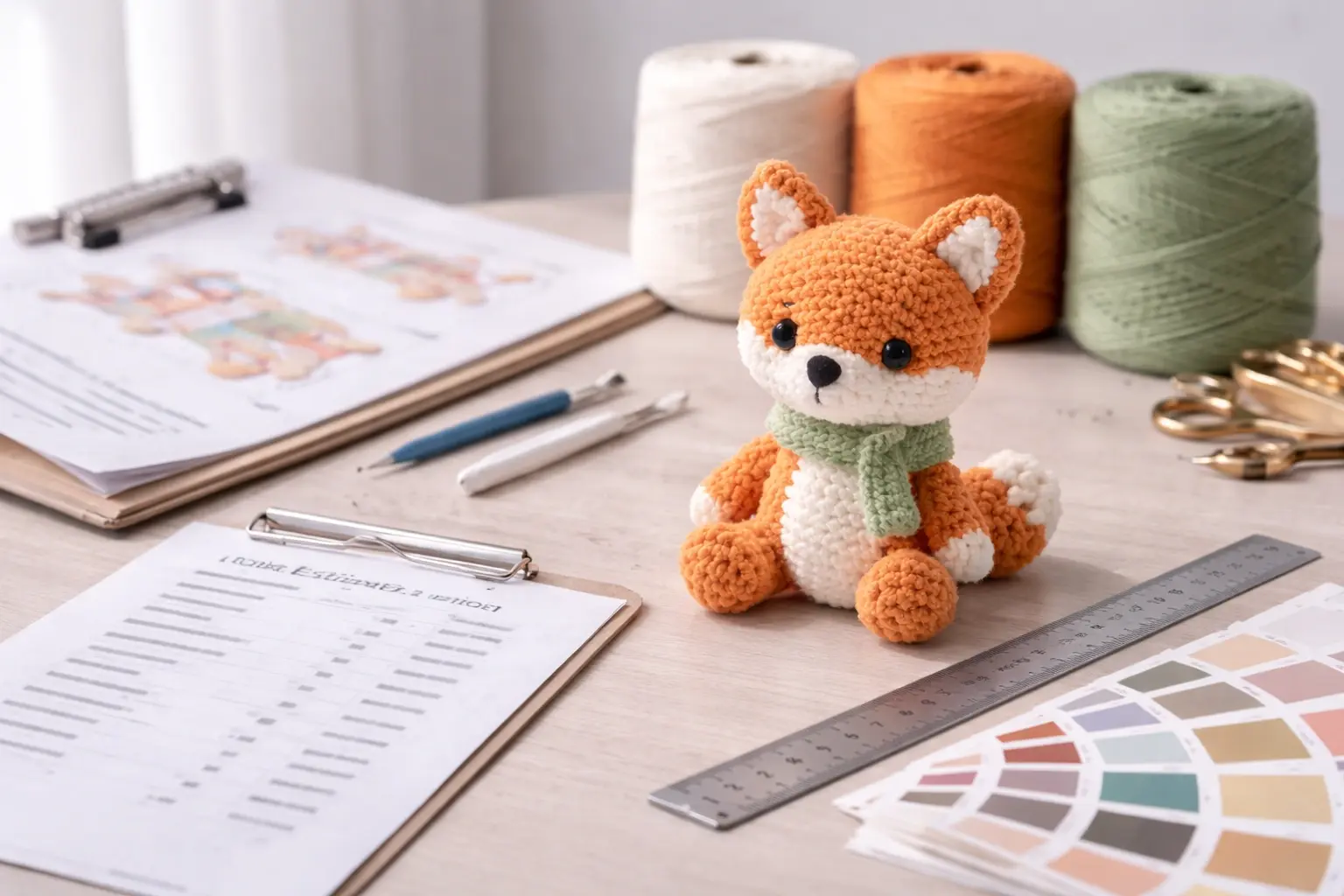
IP Licensing & Character Development
Transform licensed characters into premium handcrafted merchandise with confidentiality controls, compliance-prepared documentation support, and scalable manufacturing workflows for global licensors, agencies, and IP teams.
We help bridge the gap between artwork and manufacturable product through NDA-first intake, structured sample approvals, clearer technical translation, and production planning designed for brand protection and launch readiness.
*Metrics are based on internal projects across multiple categories; anonymized case references may be shared depending on permissions and project sensitivity.
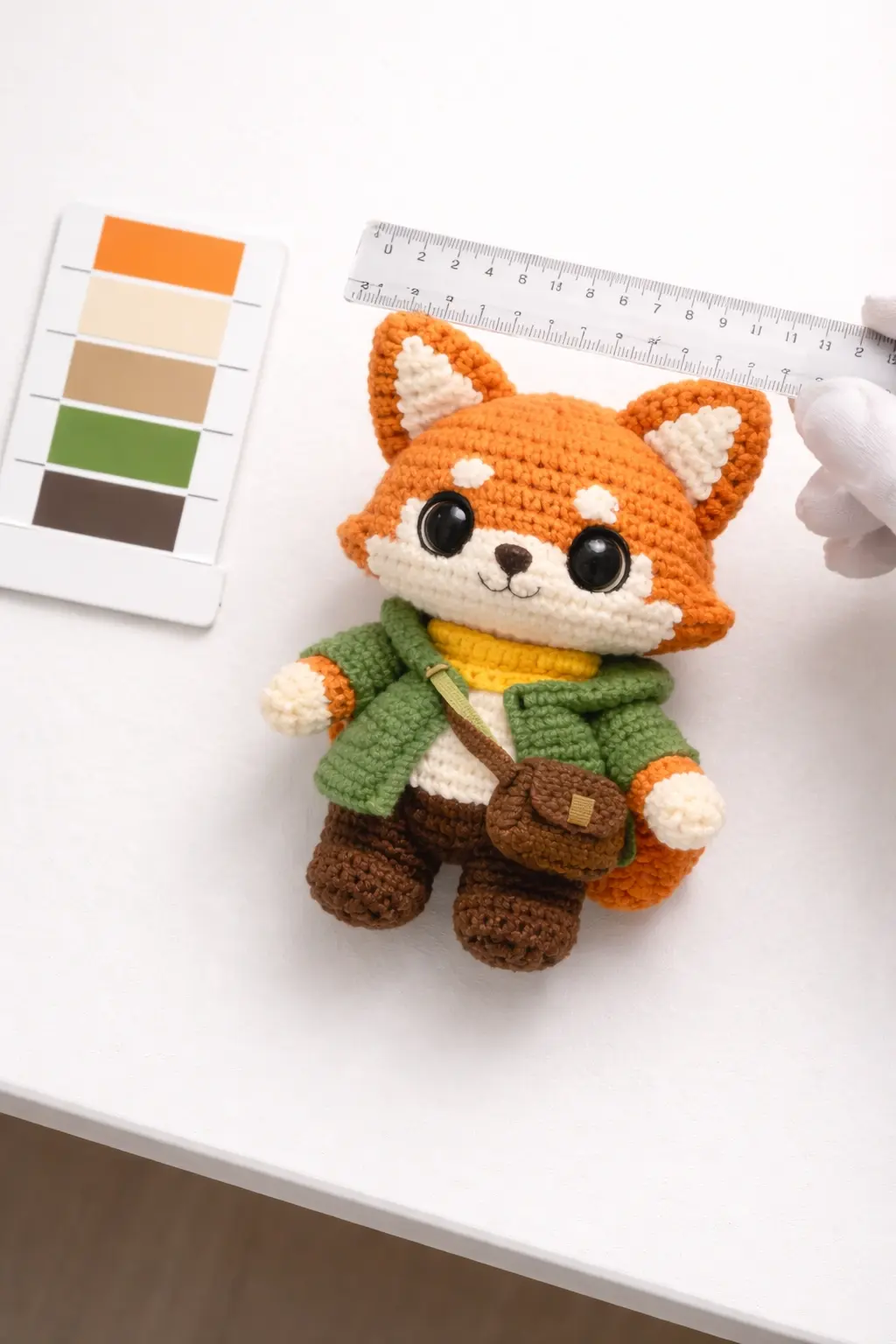
When this solution fits best
This track is designed for IP holders and licensed product teams that need confidentiality, character accuracy, structured approvals, and scalable execution rather than generic OEM development.
- • Licensors and IP owners
- • Brand licensing teams
- • Agencies managing approvals
- • Character merchandise programs
- • NDA-first handling
- • Artwork-to-product translation
- • Multi-round sample approval
- • Compliance-prepared documentation
- • Character accuracy
- • Cost vs construction logic
- • Approval turnaround
- • Market and packaging fit
What You Receive
Clear deliverables that help IP teams review faster: structured intake, prototype standards, cost direction, and compliance-prepared documentation support.
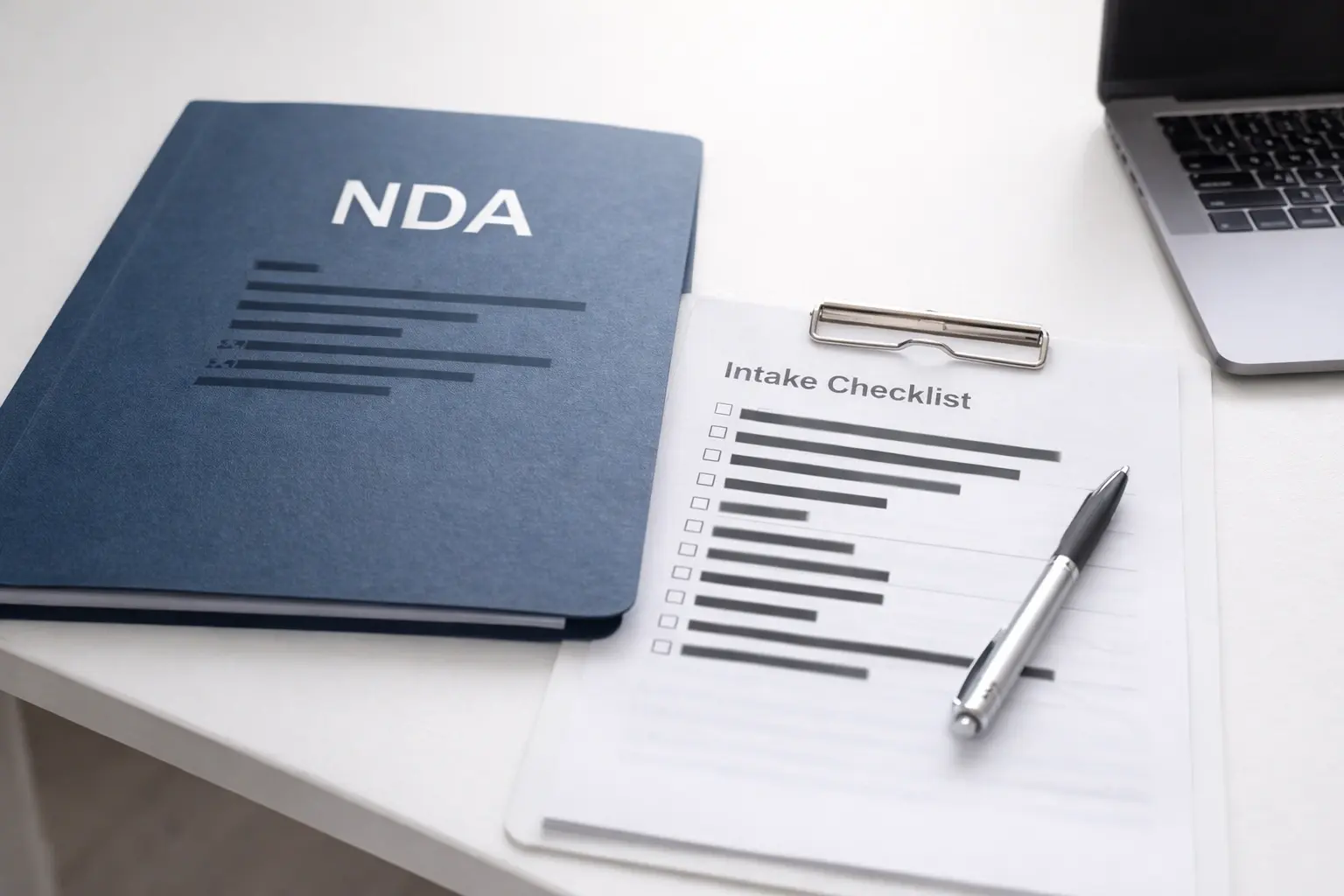
NDA + Intake Checklist
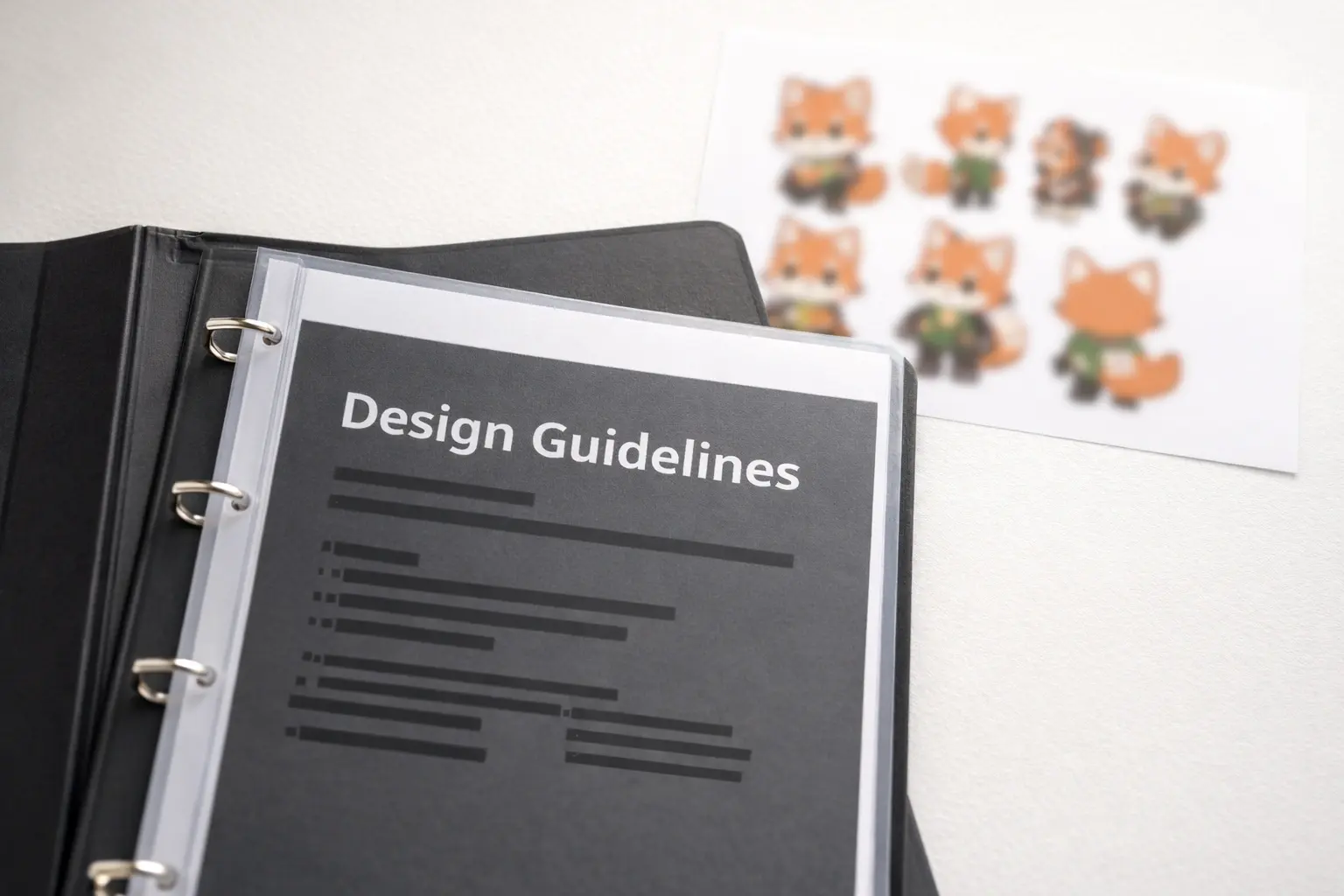
Style guide, markets, size targets, material direction, expected volume, and timeline inputs.
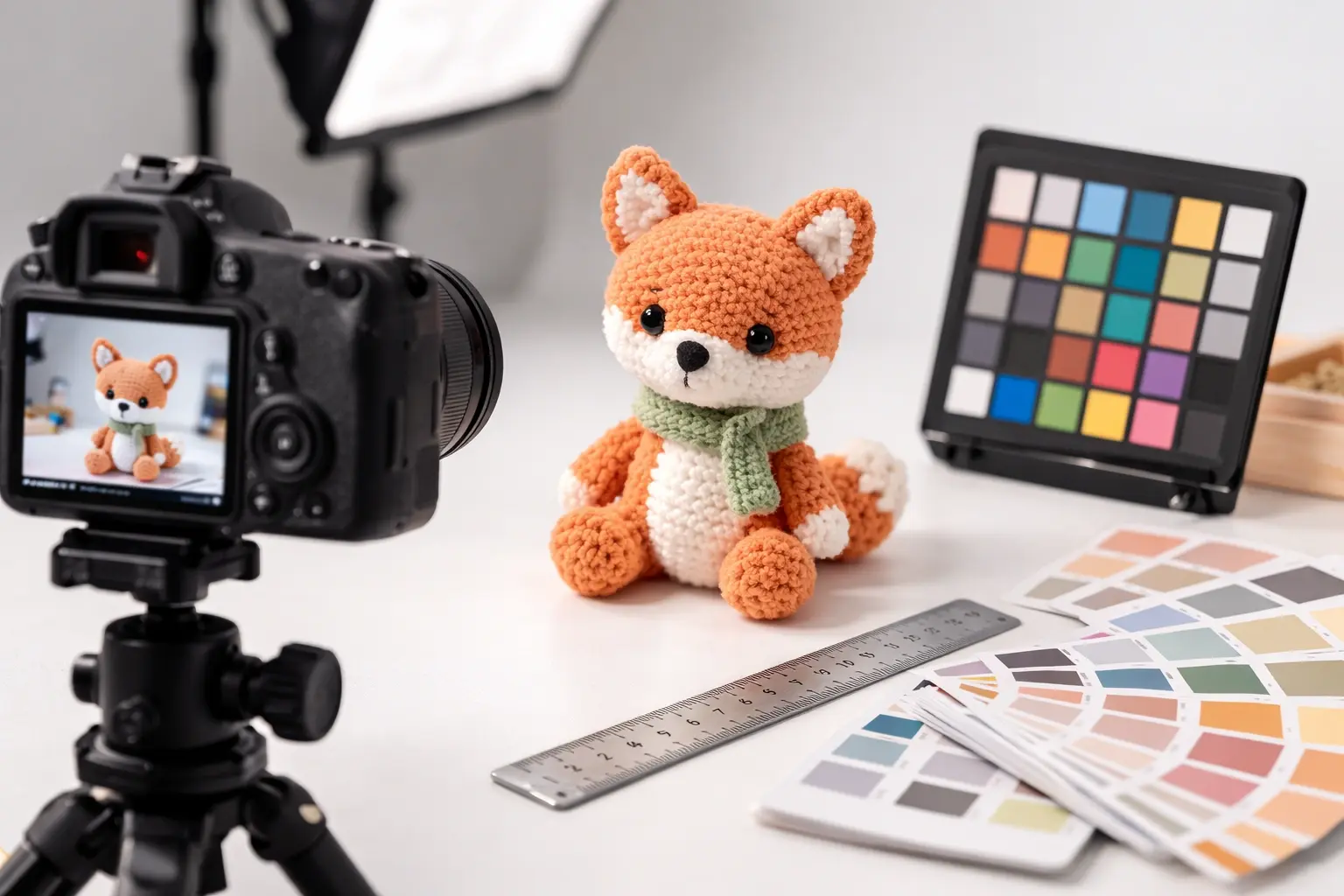
Prototype Photo Standard
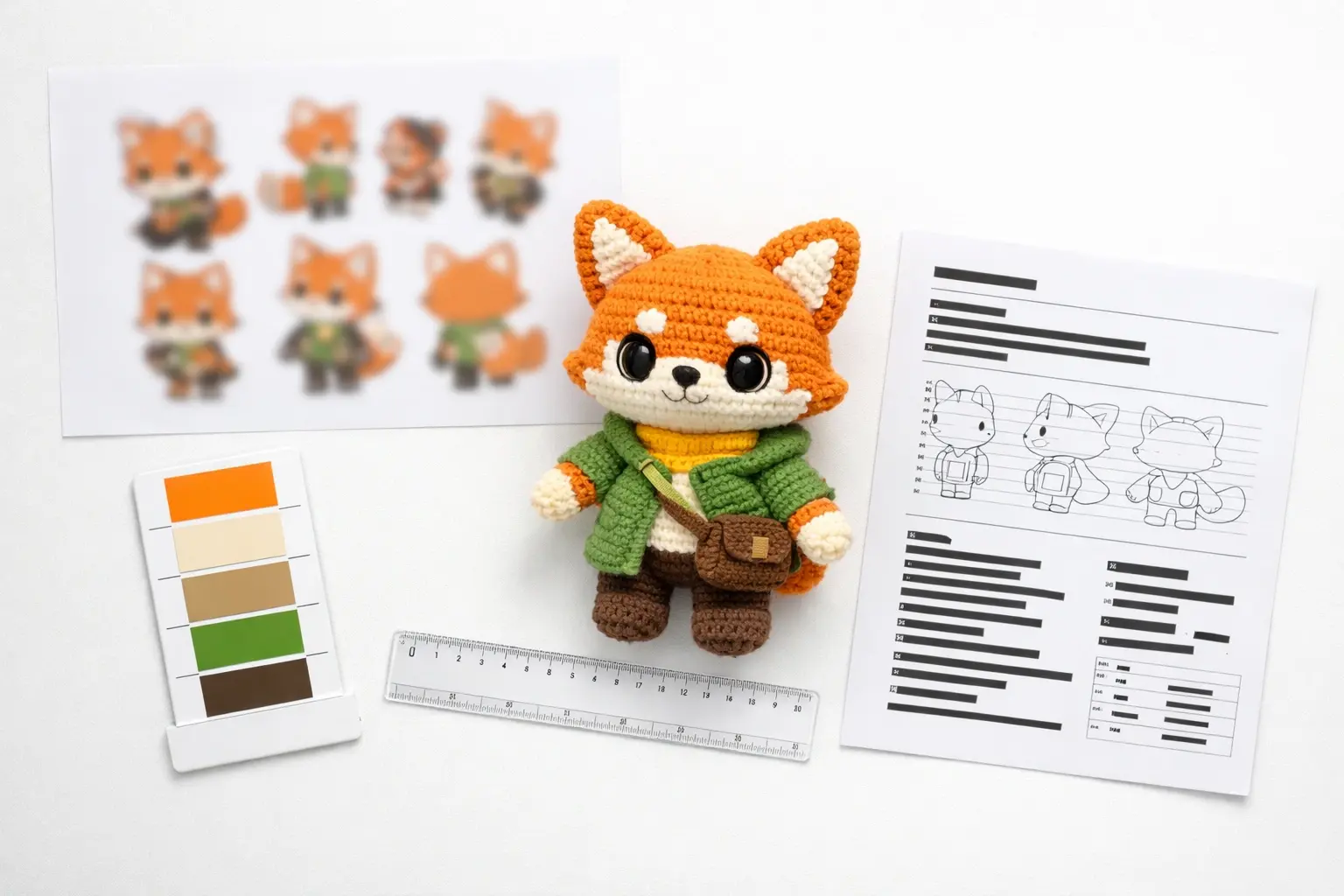
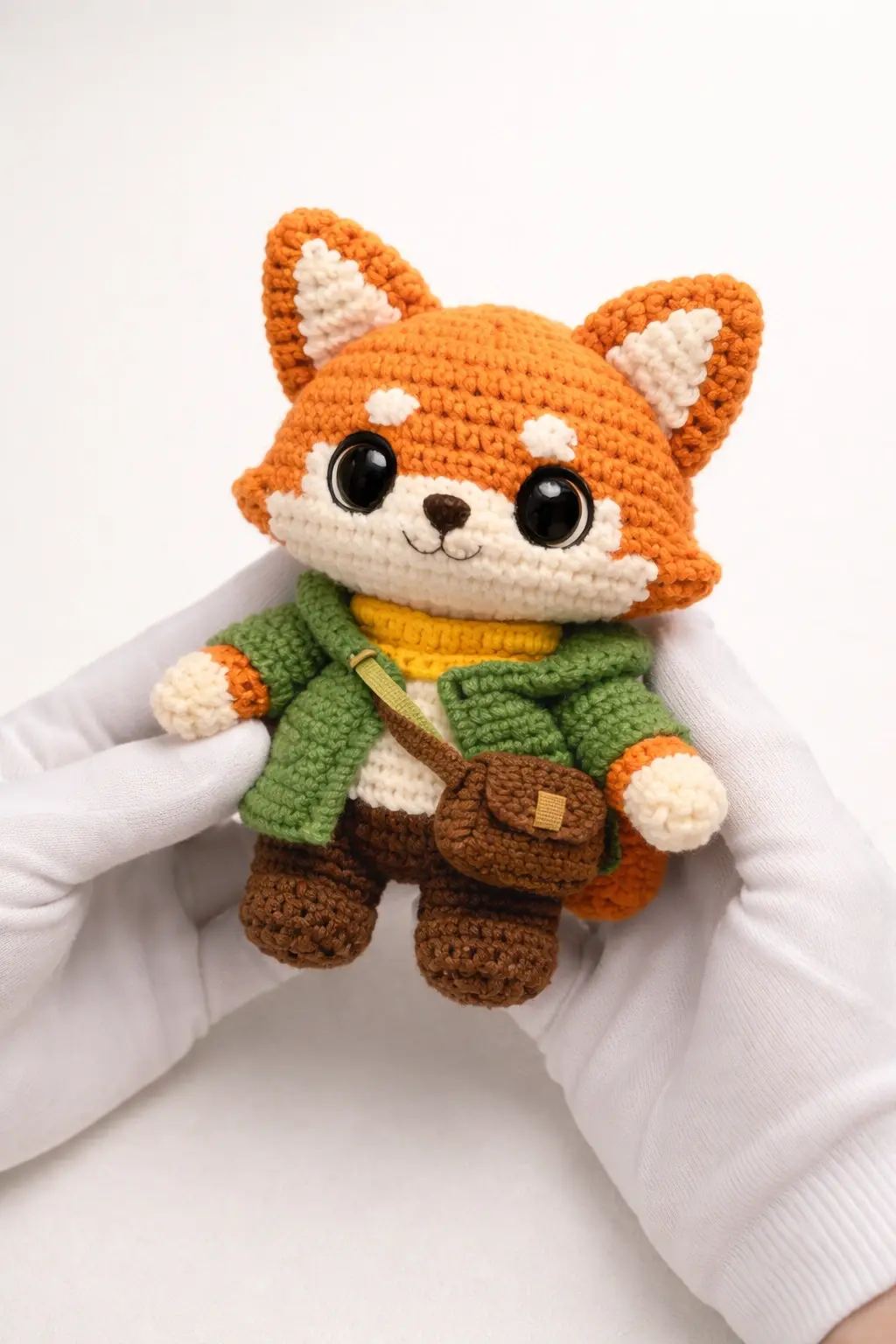
Multi-angle photos, scale ruler, color reference, and clearer approval records.
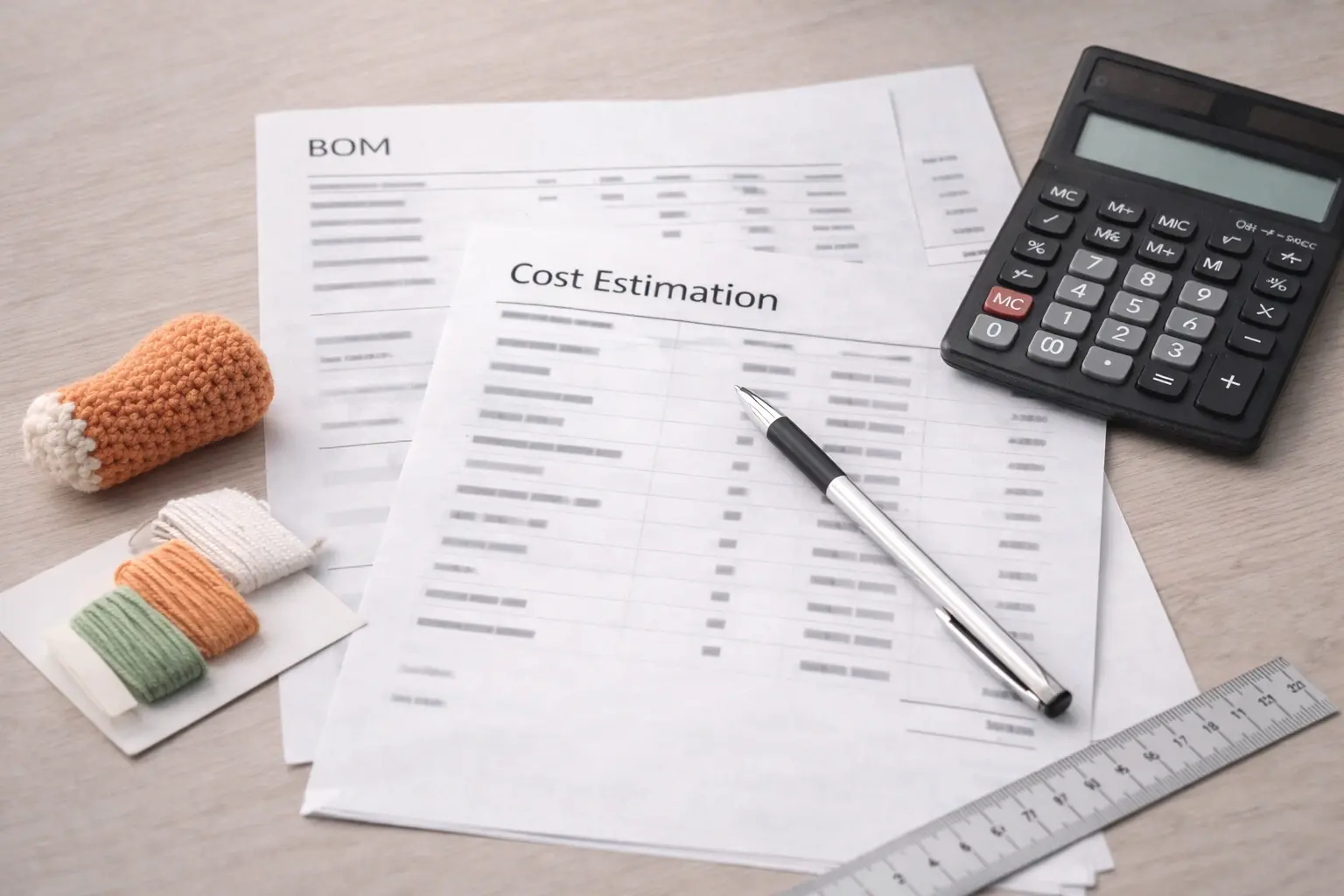
Cost Range & BOM Scope
Transparent cost drivers and feasible options to align design intent with target pricing.
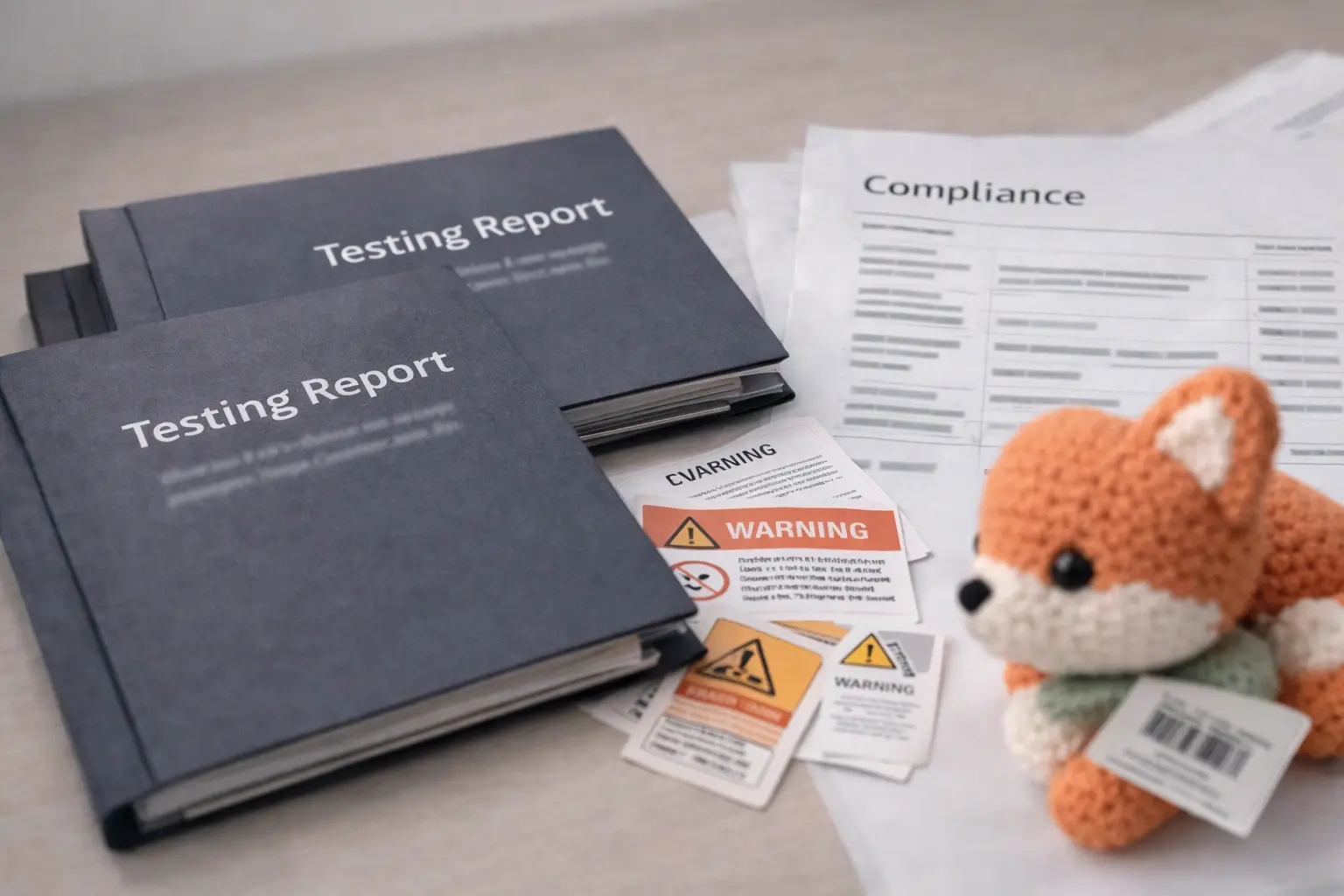
Testing Support Pack
Material and traceability records plus lab coordination support for market testing workflows.
IP → Product Workflow
We function as an IP-to-product execution partner: design translation, structured sampling, documentation support, and scalable manufacturing with controlled confidentiality.
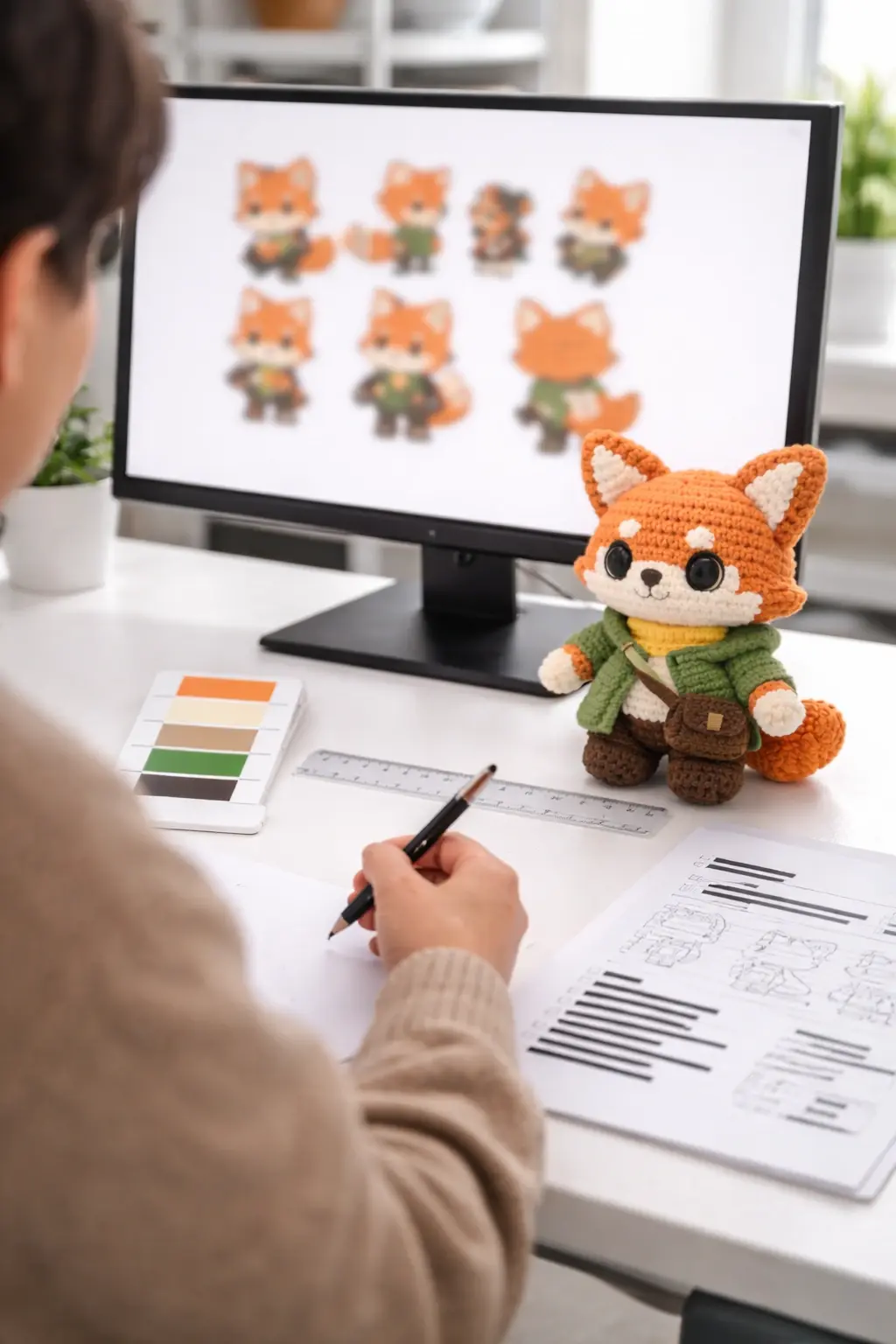
IP Analysis
Guideline review, feasibility scan, and market requirement mapping
Design Translation
2D artwork to 3D pattern with character-accuracy checkpoints
Sample Creation
Rapid prototyping with documented revisions and approval evidence
Testing Support
Documentation pack and lab coordination support where required
Scale Production
ISO-managed production, QC checkpoints, and packaging execution
Technical Accuracy
Pattern engineering that preserves character identity, silhouette, and key details with greater manufacturing consistency.
Confidentiality Controls
NDA-first workflow, controlled asset access, restricted circulation, and clearer handling boundaries for sensitive projects.
Fast Iteration
Shorter revision loops with photo evidence, measurable references, and approval records that reduce ambiguity.
Sampling & Development Logic
A structured sampling strategy helps reduce rework risk by validating character accuracy, production feasibility, and market requirements before scaling.
Smart Sampling Strategy
We standardize approvals with multi-angle photos, scale references, color references, and documented revisions so licensors, agencies, and procurement teams stay aligned more efficiently.
Character Accuracy Validation
Angle sets, proportion checks, color review, and guideline alignment supported by photo evidence.
Production Feasibility Testing
Construction complexity, durability considerations, and consistency risks are reviewed earlier in the process.
Market-Ready Optimization
Cost drivers, packaging logic, age grading, and target-market needs are considered before production commitment.
Recommended Intake (for faster review)
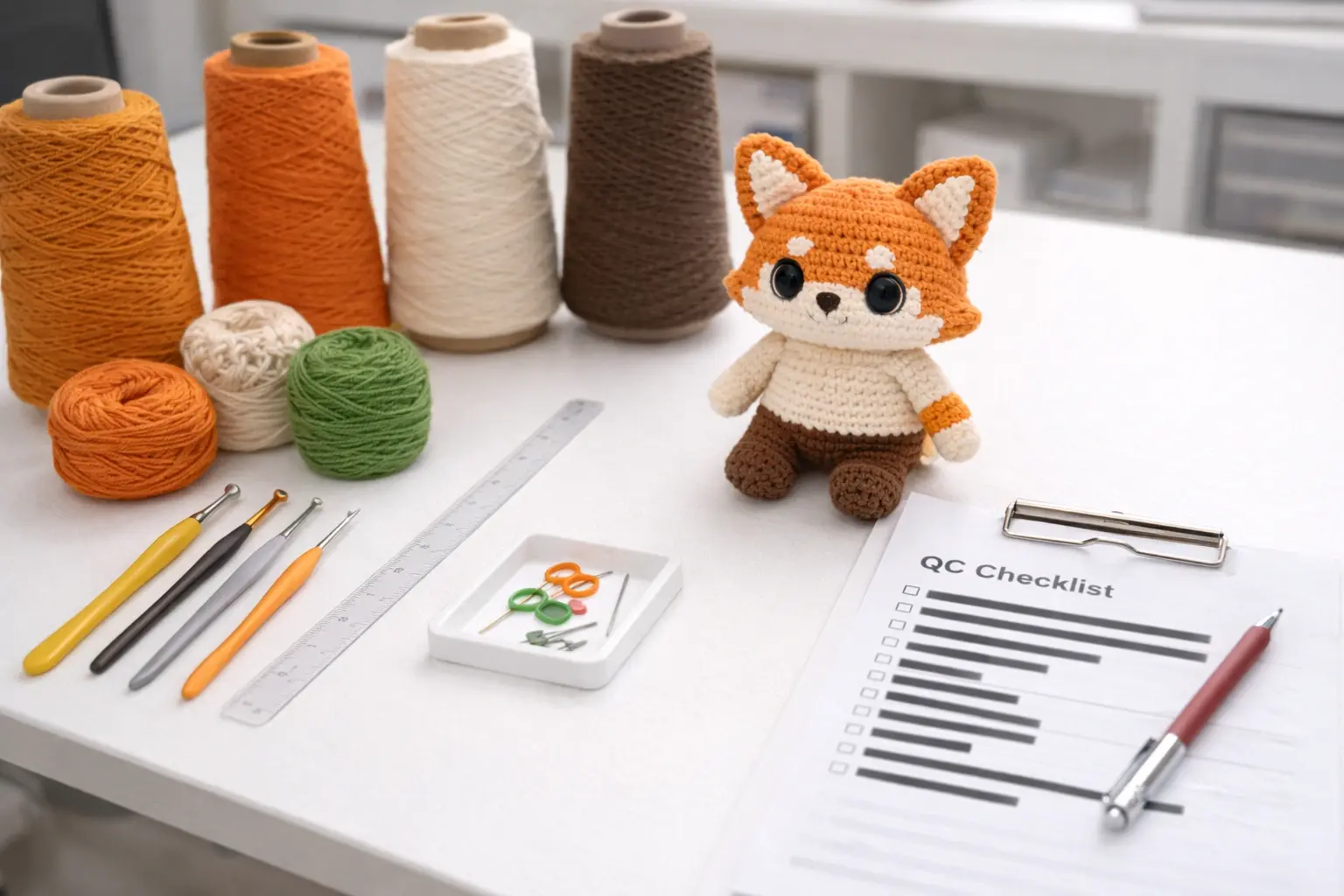
Sampling Timeline
Timeline varies by complexity, number of revision rounds, artwork clarity, and any required testing support.
Design Development
Accurate translation from artwork into physical form with proportion checks, stitch density planning, and material selection logic.
- Proportion analysis
- Color matching / Pantone reference
- Construction method selection
Quality Validation
Sample review covers both aesthetic accuracy and manufacturing readiness to reduce downstream production risk.
- Guideline alignment
- Durability and safety considerations
- Consistency feasibility review
Scale Preparation
Production documentation, packaging logic, and labeling requirements are aligned earlier for smoother launch execution.
- Production spec outline
- Cost driver analysis
- Capacity and delivery planning
Compliance & Confidentiality
Multi-layer IP protection combined with compliance-prepared documentation support for international market workflows.
IP Protection Framework
NDA-first workflows, controlled access, and clearer audit trails for assets, samples, approvals, and project documents.

Global Compliance Support
We support documentation and testing coordination. Final certification and formal reports are issued by authorized laboratories.
Ready to Transform Your IP?
Share your brief. We’ll respond with next-step guidance covering NDA, intake requirements, and feasibility scope.
Start Your IP Development Journey
A structured kickoff reduces risk by aligning style guides, markets, sample standards, compliance needs, and timeline expectations before production decisions are made.
Typical Response Path
FAQ
Common questions from licensors, agencies, and IP teams.
Can you sign an NDA before receiving artwork?
Yes. We support an NDA-first workflow and can proceed with feasibility review using restricted assets after signature.
What is your typical sampling cycle?
First sample is often 7–15 days. From first sample to production-ready approval is commonly around 15–22 days depending on complexity, intake clarity, and revision rounds.
Do you provide compliance documentation?
We provide materials and traceability documentation support and can coordinate with authorized labs for testing workflows. Final certification is issued by the lab, not by us.
How do you protect IP during development and production?
We use NDA controls, restricted asset access by role, secure file handling, controlled sample circulation, and clearer approval records throughout the project.
What information helps you evaluate an IP project faster?
The most useful starting inputs are artwork or style guide access, target markets, size and material preferences, estimated volume, packaging direction, and timeline expectations.
IP Development Insights
Articles tagged with ip-licensing or character-development.