Testing & Compliance
We manufacture crochet products, plush items, and DIY craft kits with a testing-ready approach—production-intent samples, material traceability, and documentation support prepared for smoother third-party lab submission.
Clear role boundaries: we help you prepare the sample set, component records, and supporting documents. Your lab and your brand remain responsible for the final testing scope, certification, and regulatory filing.
*Reference only. Timeline depends on final materials, supplier file availability, and project complexity.
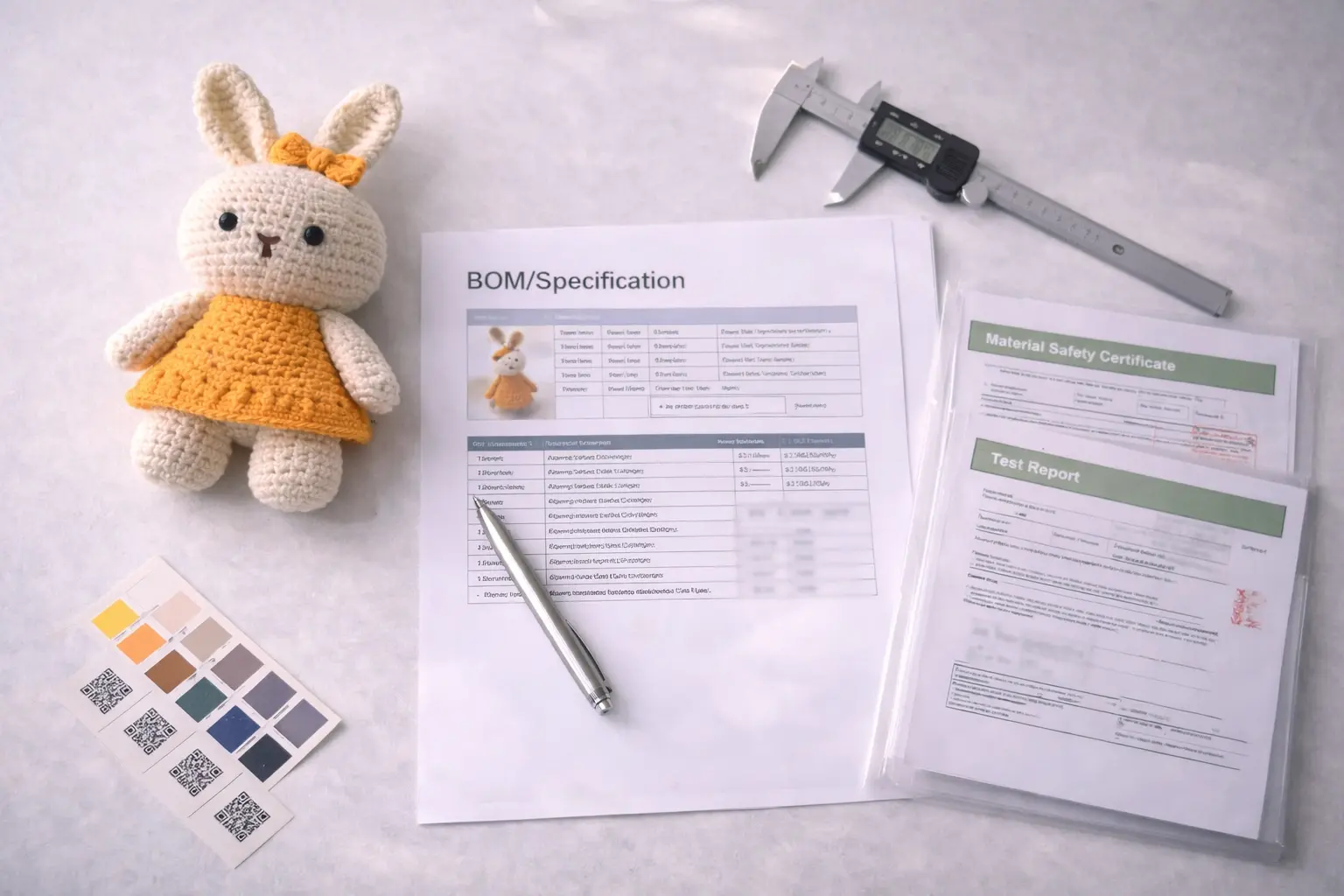
Samples are prepared to match the intended production configuration more closely, reducing avoidable lab questions later.
We help organize BOMs, supplier declarations, component details, and traceability references for submission readiness.
We support manufacturing preparation. Your brand and accredited lab own testing scope, reports, certification, and compliance records.
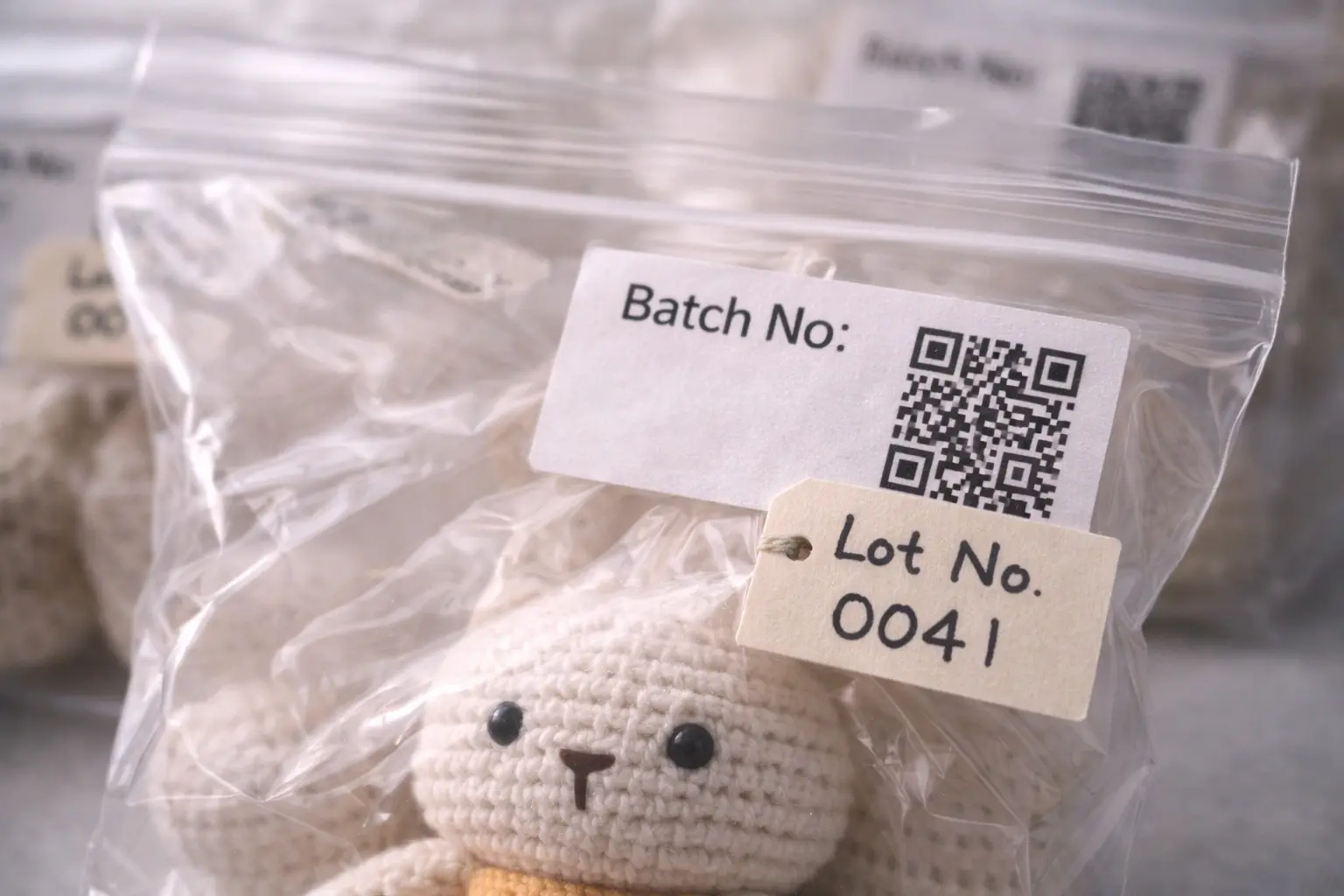
Batch IDs, material labels, and linked supplier records help map the tested configuration back to production more clearly—especially useful when labs ask for component-level clarification.
Supported Markets & Standards
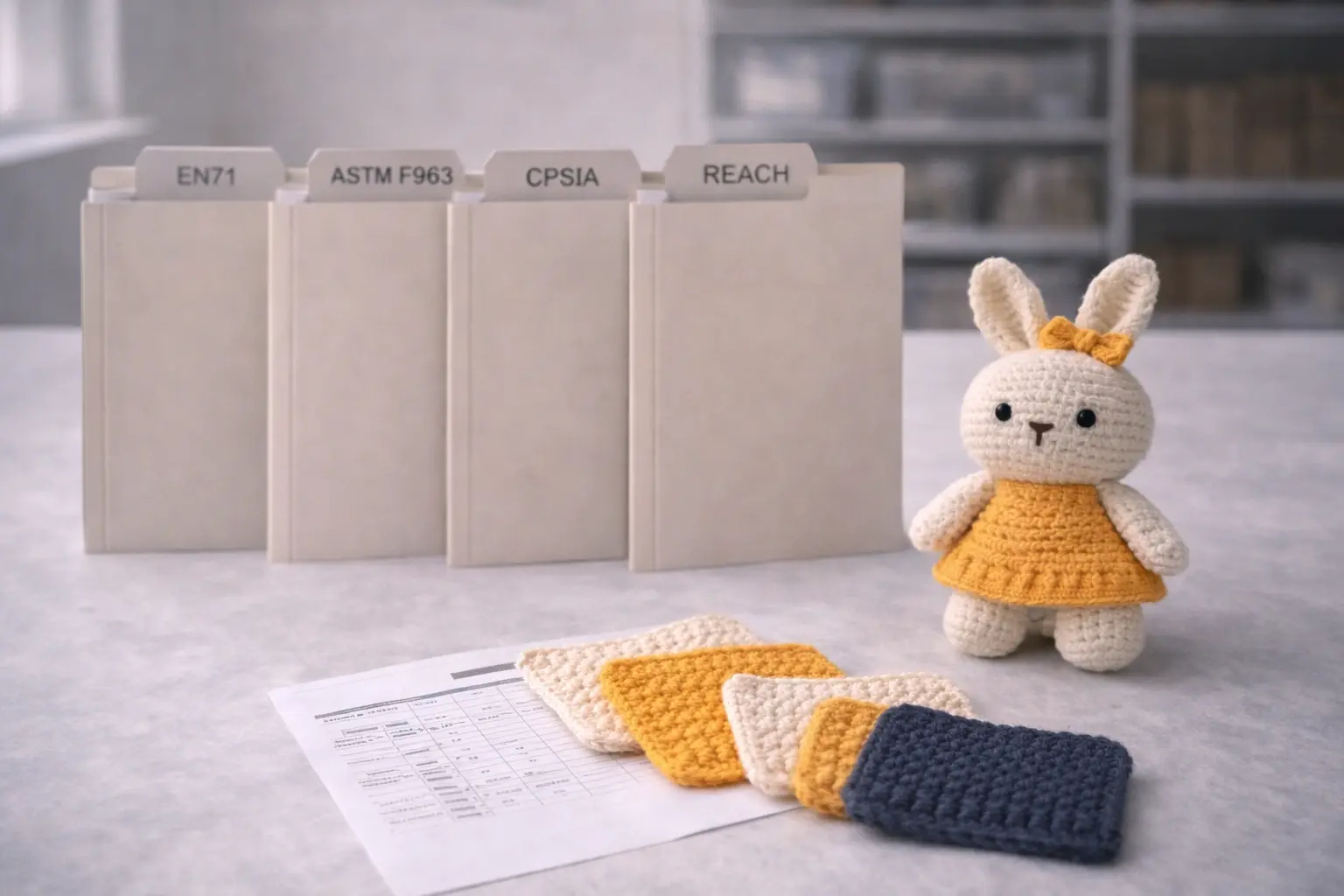
We manufacture with global requirements in mind—materials, construction, component review, labeling inputs, and supporting documents prepared to help your third-party testing move more smoothly.
European Union
United States
United Kingdom
Canada / AU-NZ
Not sure which market rules apply to your crochet product, plush item, or DIY kit?
Send Your Product Brief for ReviewTesting Preparation Process
A practical workflow for testing-ready manufacturing: sample integrity, document readiness, component clarity, and batch traceability.
Production-Intent Samples
Build samples using the final material direction, intended accessories, and actual construction method so the lab sees a realistic representation of production.
- Final or near-final material set
- Confirmed accessories and fillings
- Construction and assembly notes
Documentation Pack
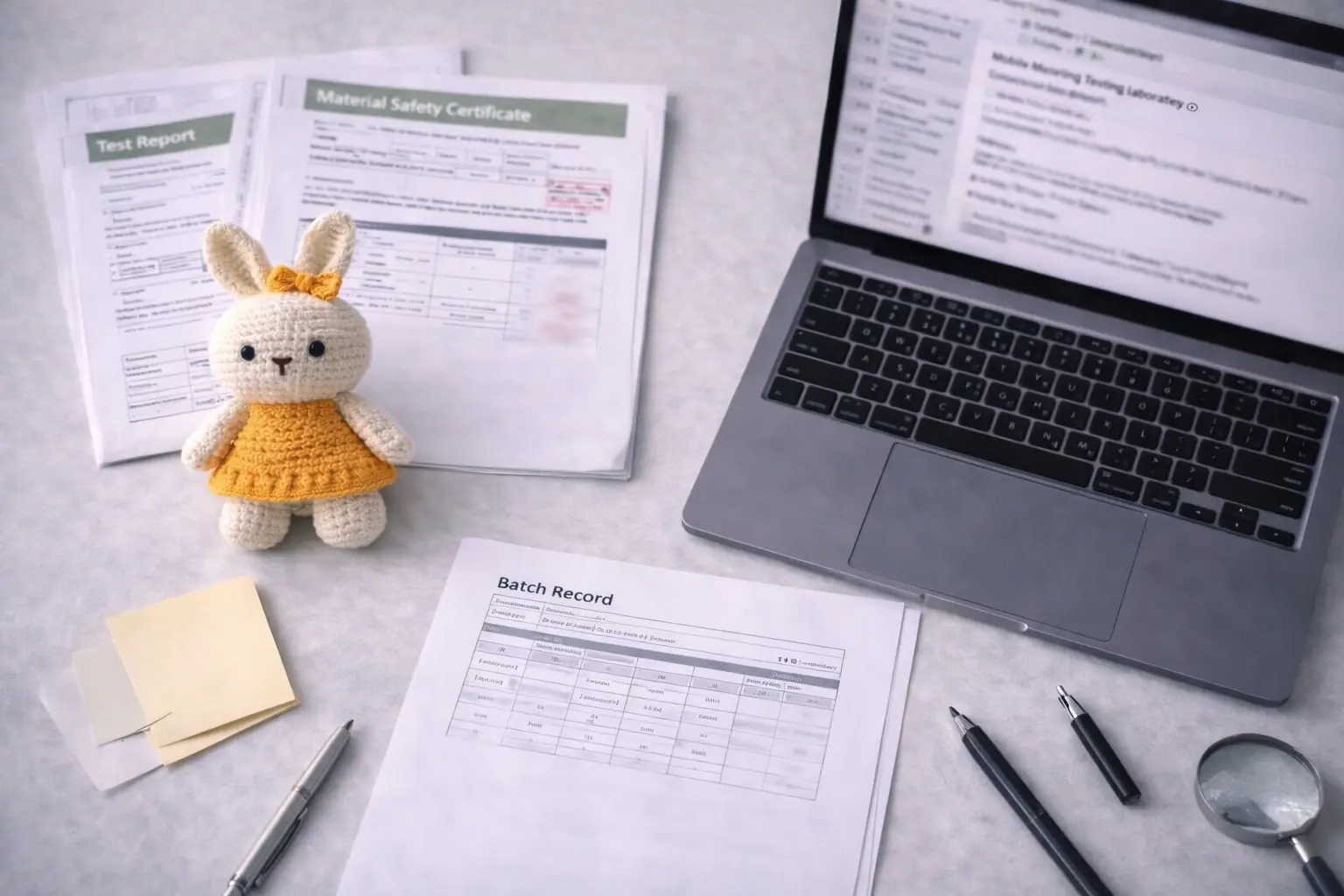
Organize material certificates, supplier declarations, basic specs, and traceability references so your lab receives a clearer supporting file set.
- Yarn / fiber / fabric declarations
- Filling, trims, tools, and accessory specs
- BOM and batch ID references
Lab Coordination Support
We help clarify build details, component composition, and documentation logic with your chosen lab when technical questions arise.
- Sample notes and build spec support
- Component breakdown assistance
- Guidance for follow-up revisions if needed
Production Consistency Control
Keep the shipped batch aligned as closely as possible with the tested sample configuration through controlled materials and traceable records.
- Material lot control
- QC checkpoints for key safety points
- Shipment batch records
What You Receive
A practical deliverables pack that helps brands submit products to third-party labs with fewer missing details and less back-and-forth.
Typical Timeline Reference
Third-Party Testing Collaboration
Clear boundaries build smoother cooperation. We support manufacturing preparation and documentation readiness. Your brand engages the accredited lab and owns the final certification and compliance records.
What We Provide
- • Production-intent samples for testing
- • Material documentation and supplier declarations (as available)
- • Technical clarification support for lab questions
- • Production consistency support matching tested configuration
Your Responsibilities
- • Select and engage accredited labs (such as ISO/IEC 17025 labs)
- • Define the applicable standards and final test scope
- • Obtain reports / certificates and maintain compliance records
- • Manage ongoing market compliance, claims, and post-test changes
Important Notes
- • We do not guarantee test results or certification outcomes
- • Requirements vary by market, age grading, product claims, and components
- • Any change after testing may require re-evaluation or additional testing
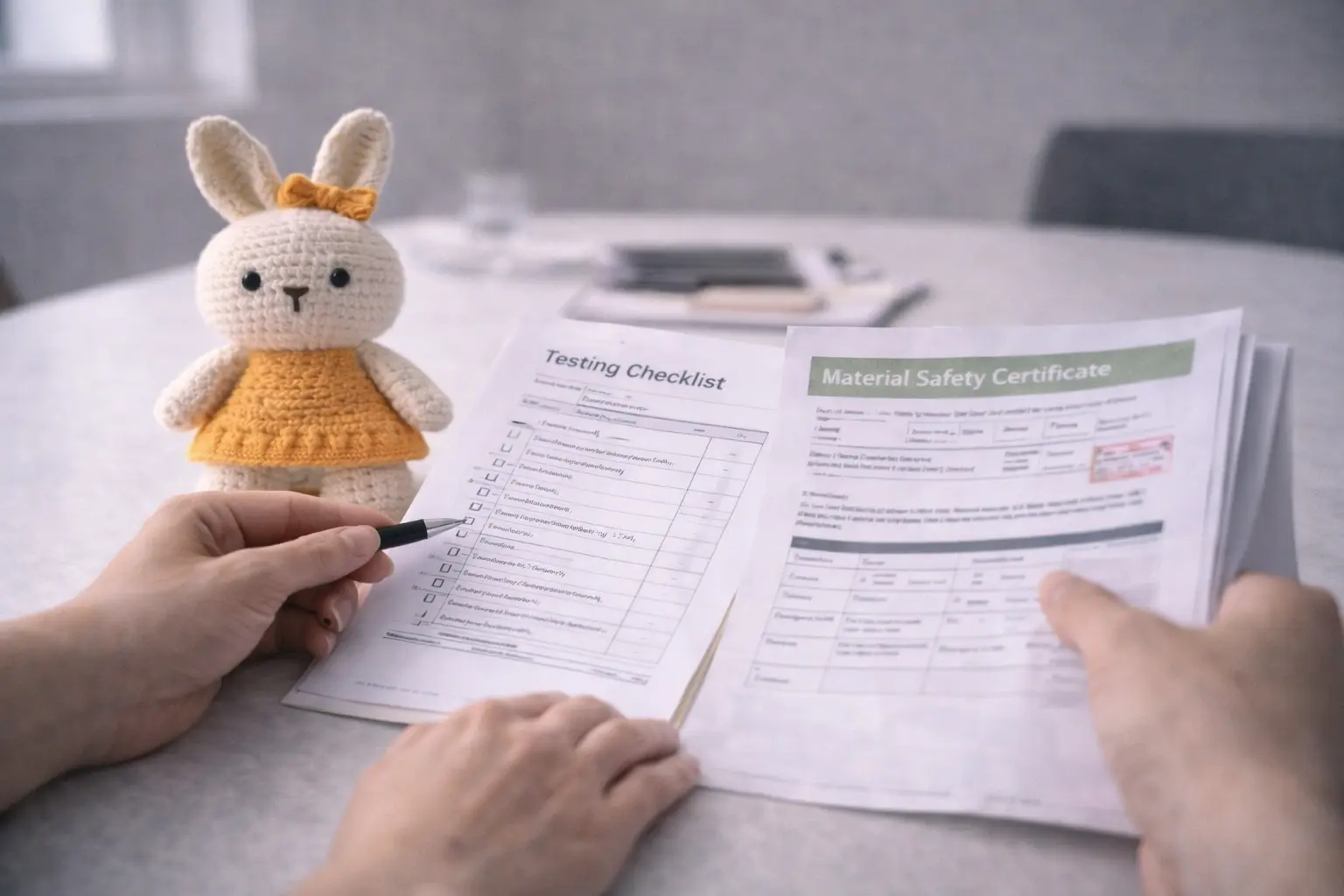
Lab-Friendly Support
We can align sample configuration, component list, and documentation into a structure labs commonly request—without implying endorsement, affiliation, or guaranteed pass results.
Note: Your lab selection, product claims, and final test scope determine timelines and outcomes. We support preparation and coordination only.
Responsibility Split at a Glance
This helps avoid misunderstandings during compliance projects.
- • Prepare production-intent sample sets
- • Organize available material and supplier files
- • Clarify component composition and build details
- • Maintain internal batch traceability references
- • Decide final market scope and compliance pathway
- • Select lab, order tests, and manage the report process
- • Hold certificates, declarations, and final market files
- • Review packaging claims and post-test product changes
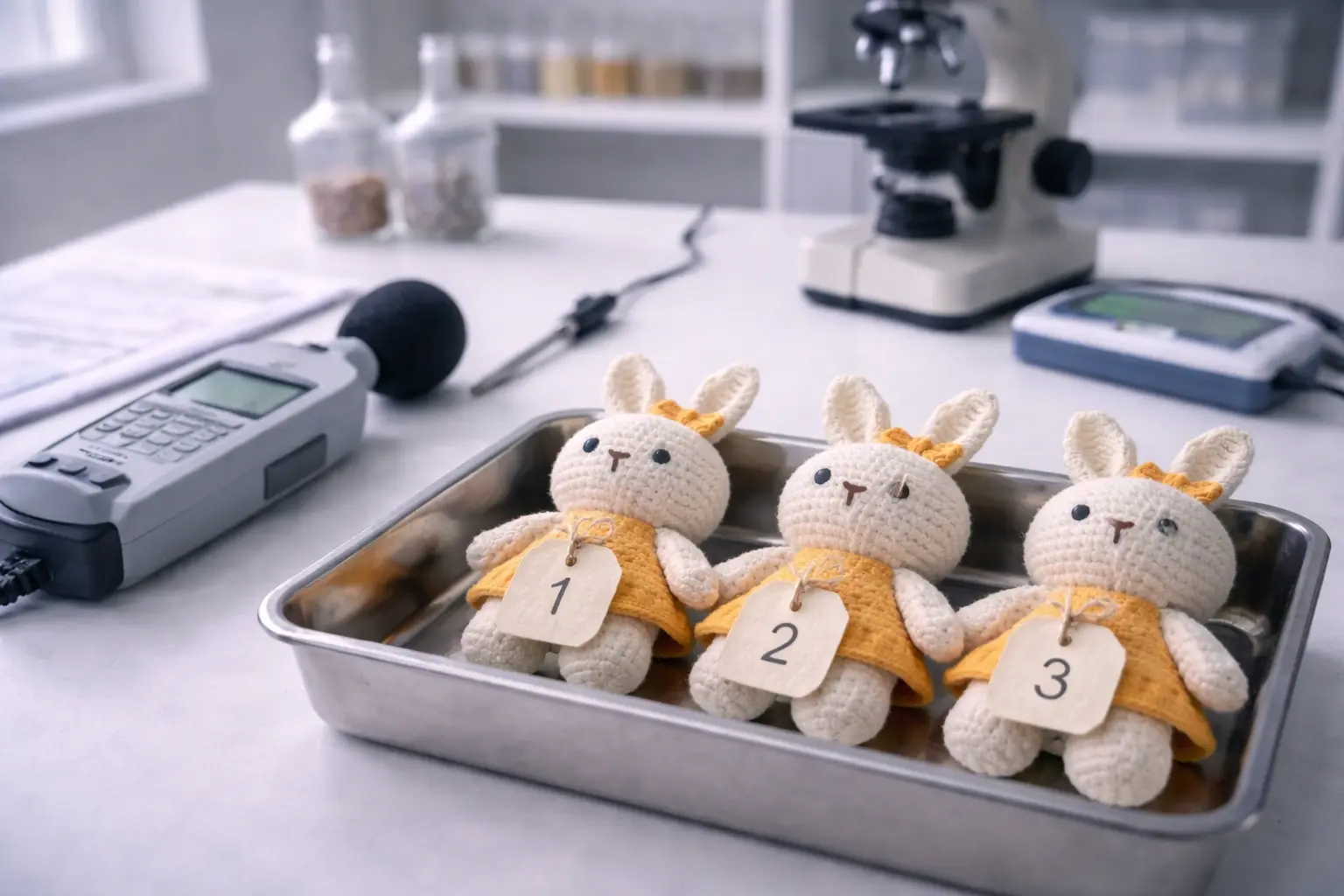
Common Compliance Scenarios
Requirements often change based on how the product is marketed, who it is intended for, and what components are included.
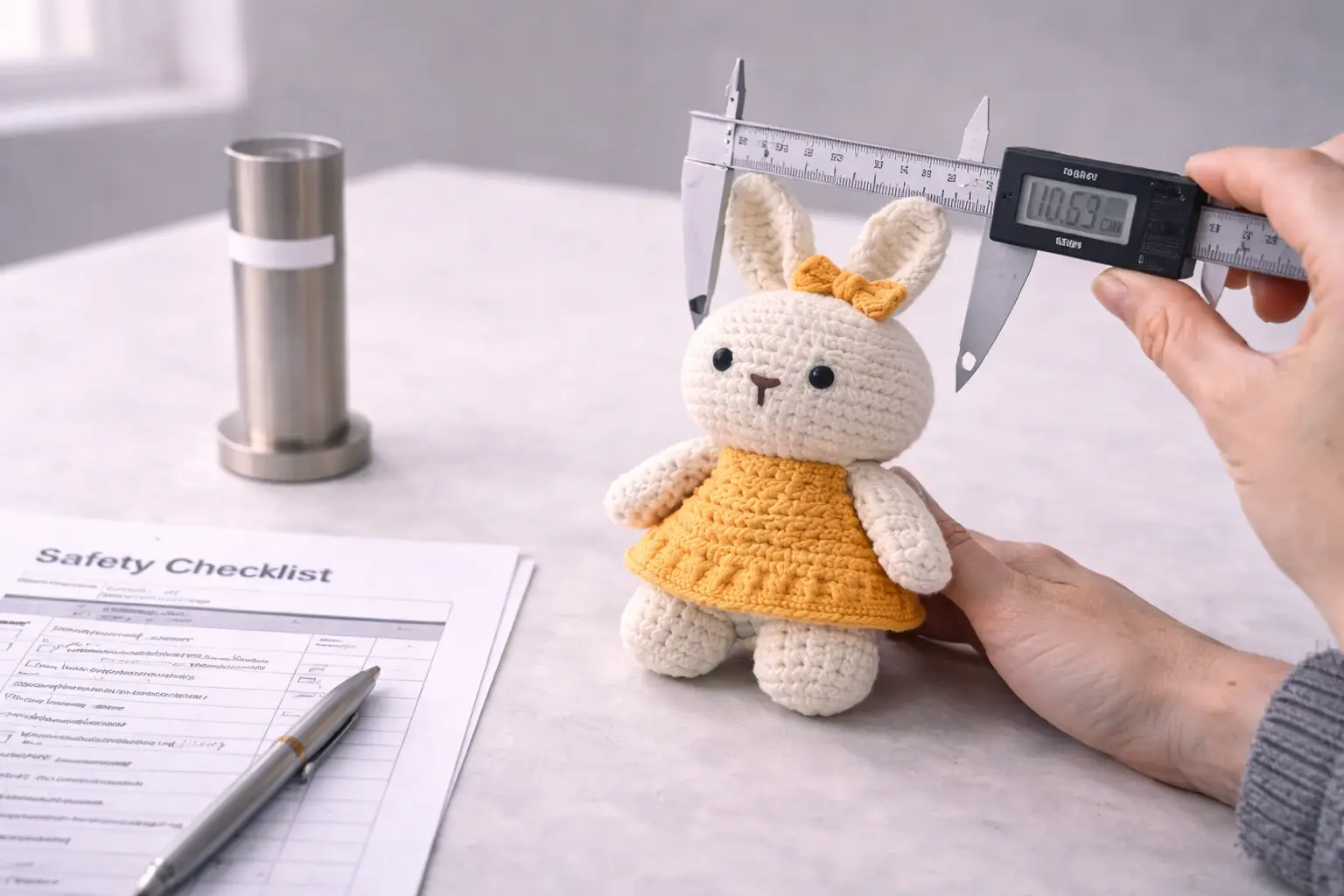
Toy Products
Common Focus
- • Mechanical and physical safety
- • Chemical limits for materials and components
- • Age grading and choking risk
- • Seam, attachment, and assembly strength
Typical Standards
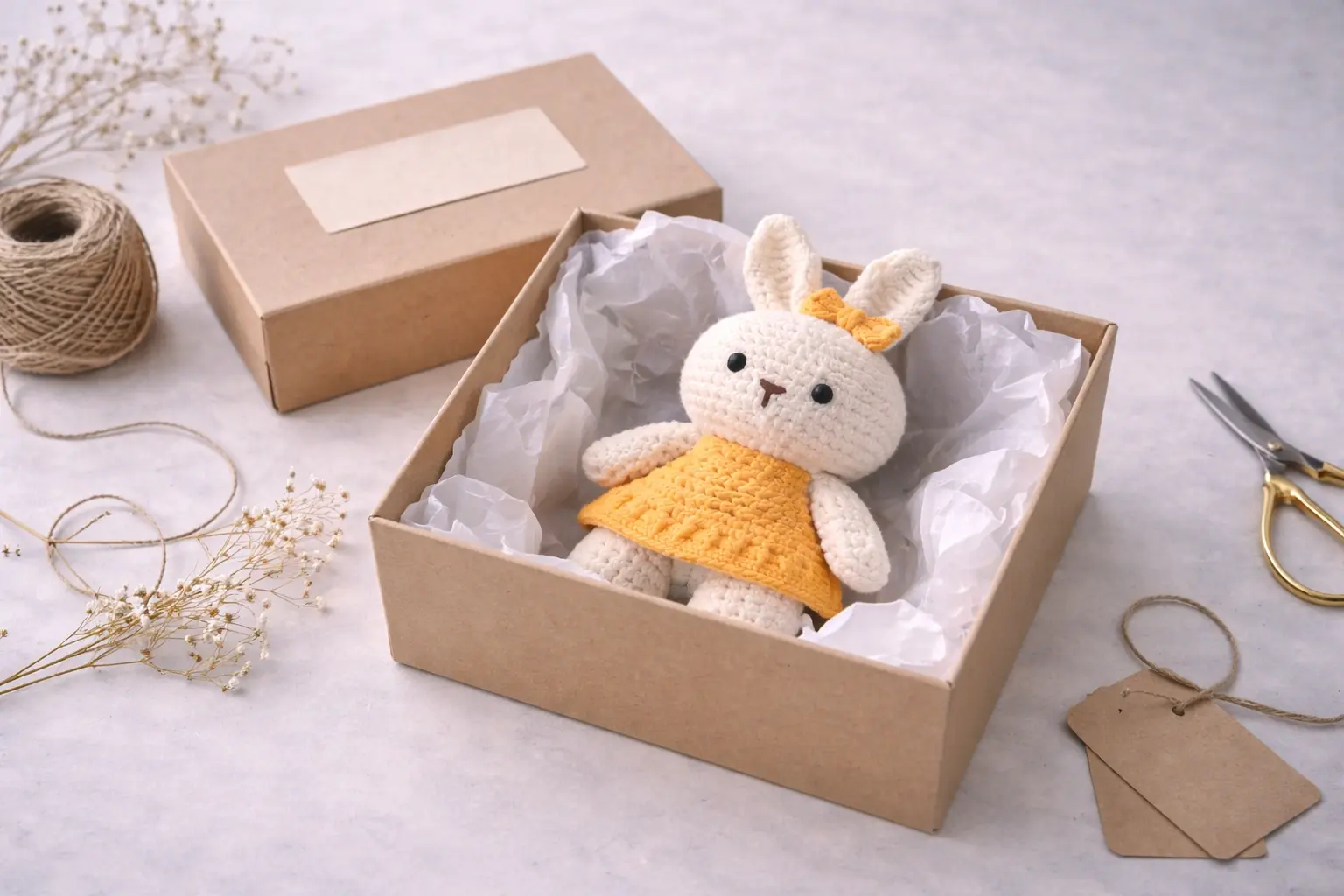
Gift Products
Common Focus
- • General product safety
- • Material declarations where needed
- • Labeling and warning inputs if applicable
- • Packaging and marketing claim review
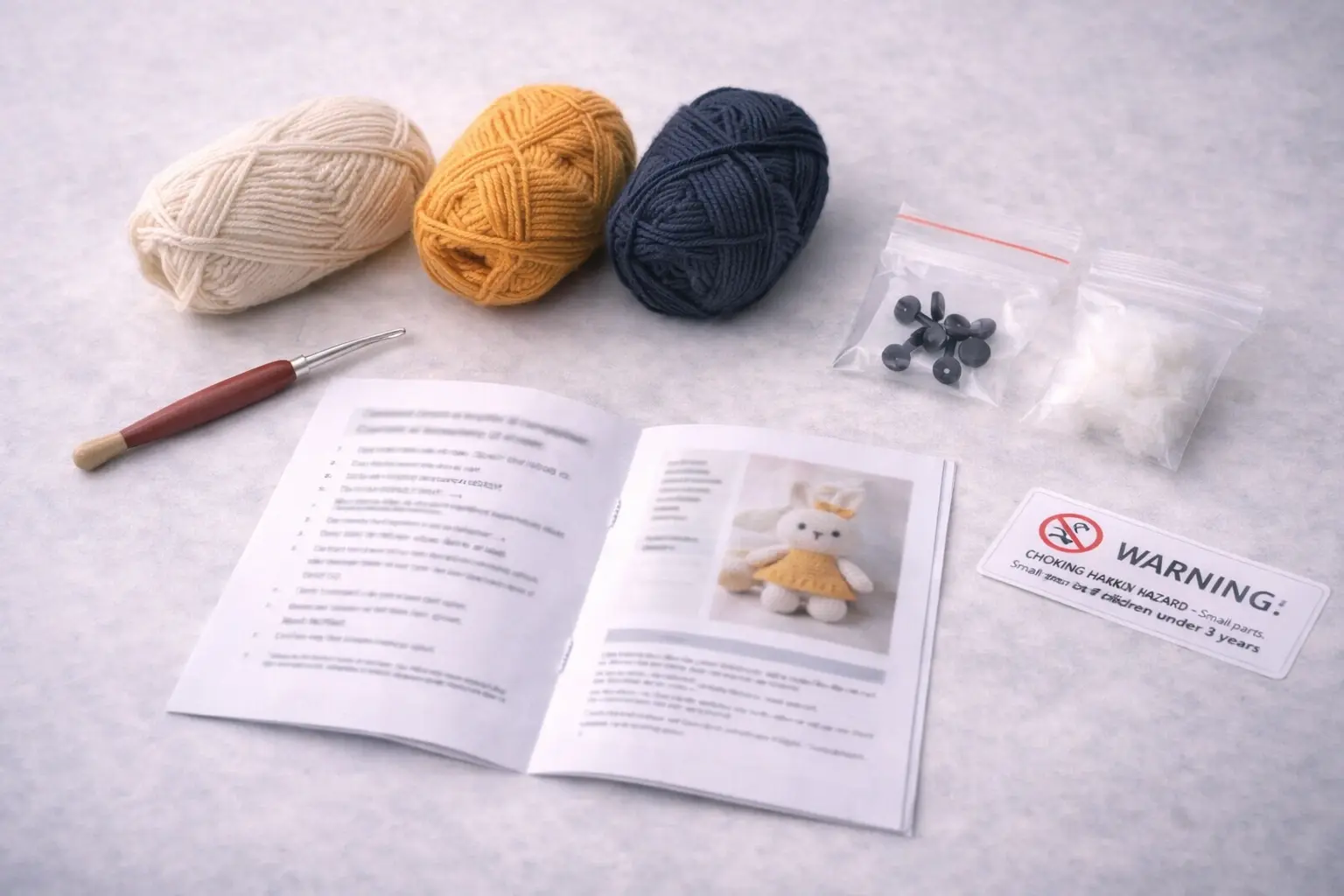
DIY Craft Kits
Common Focus
- • Component safety review for each part
- • Clear age guidance and warning statements
- • Instruction safety statements where needed
- • Needle, hook, and tool handling risks
Frequently Asked Questions
Common questions from buyers planning testing for crochet products, plush items, and DIY kits.
Does a crochet product always need toy testing? +
Are DIY crochet kits treated differently from finished products? +
Can you guarantee that a product will pass testing? +
What happens if something changes after testing? +
What should I send first to get a realistic compliance plan? +
Compliance Resources
Articles and checklists that help reduce delays, clarify testing scope, and avoid the most common compliance mistakes in custom manufacturing.
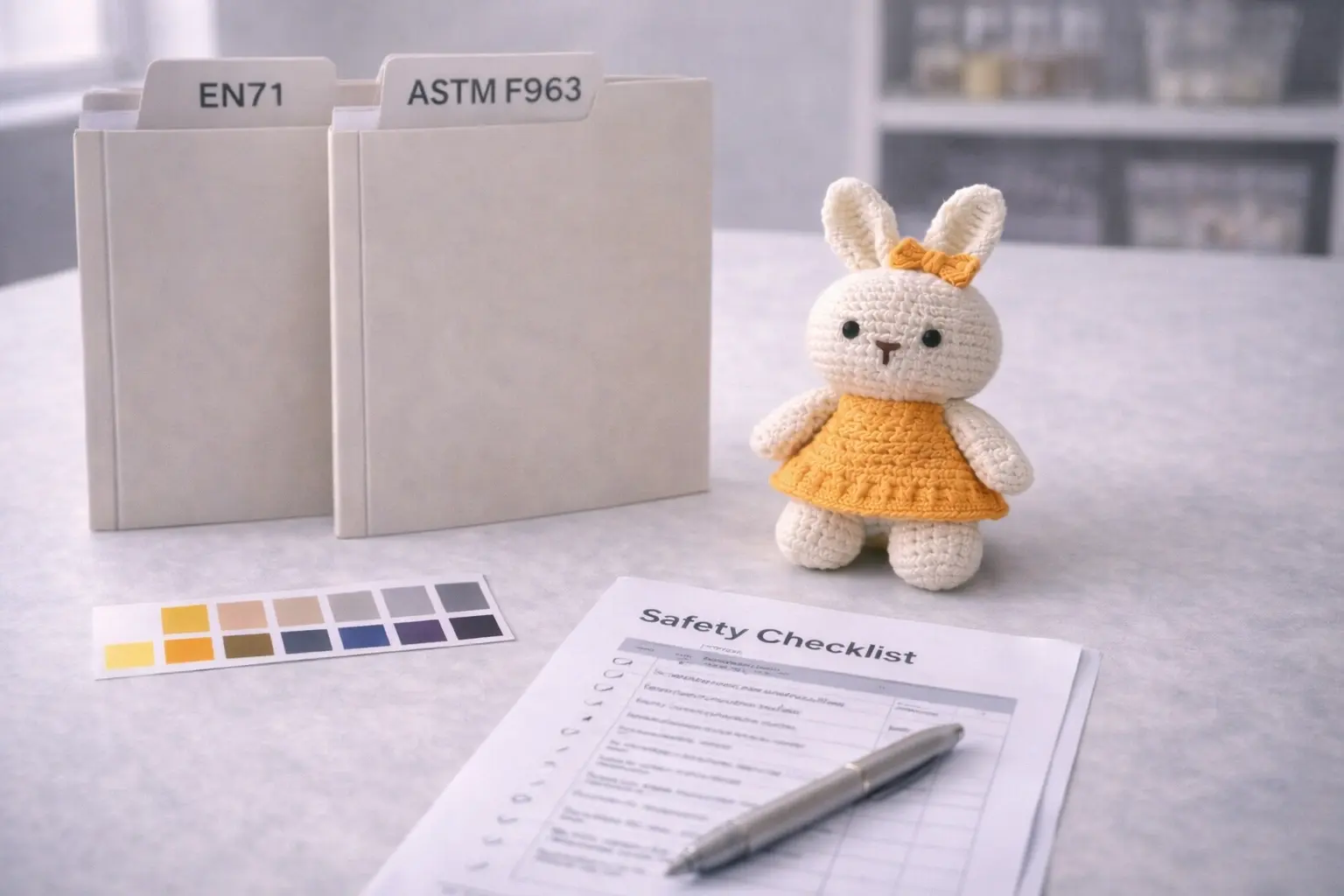
Understanding EN71 and ASTM for Handmade Products
How toy safety standards commonly apply to crochet and plush products, and what third-party labs usually ask for.
Read Article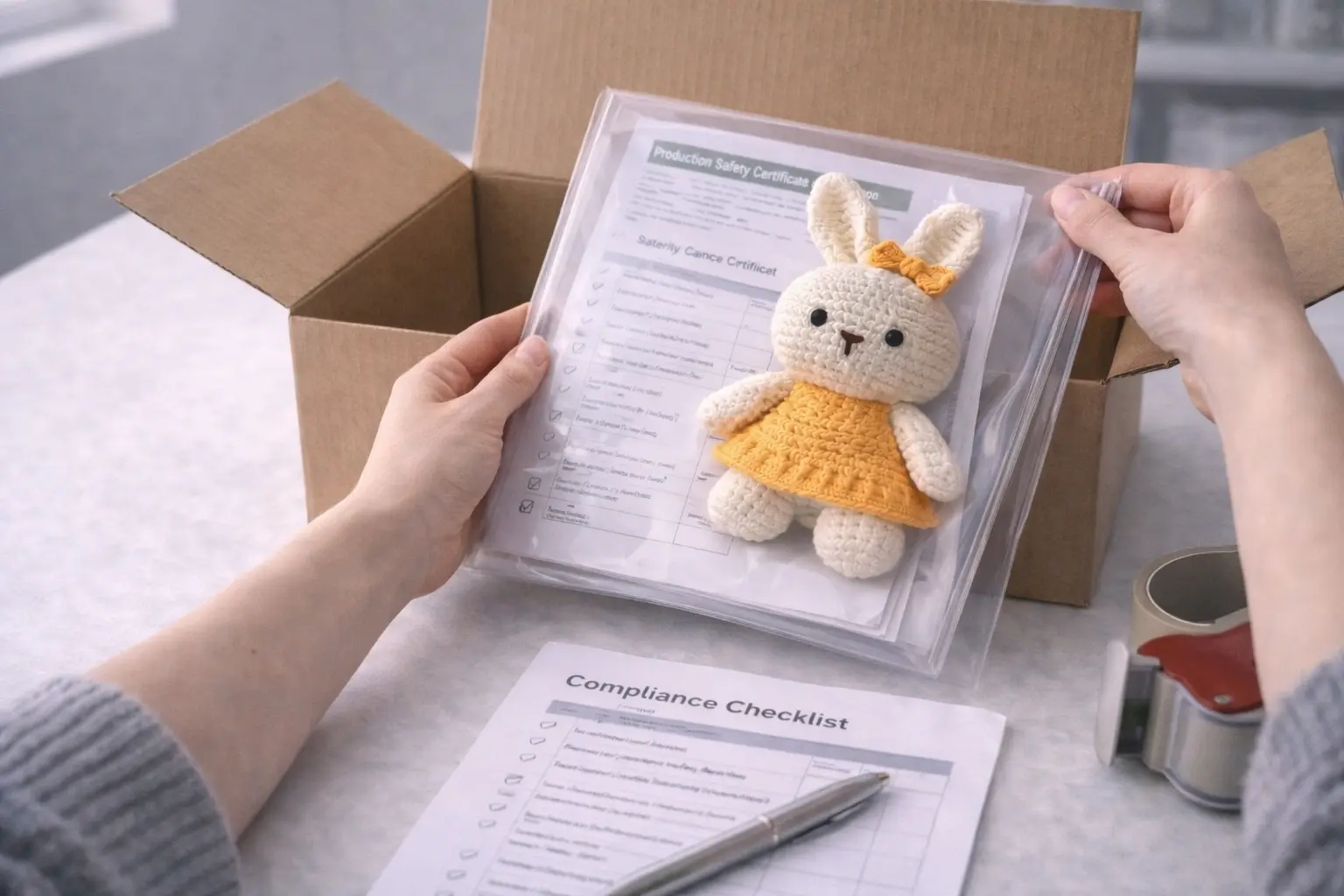
How We Support Brands Through Third-Party Testing
Role boundaries, deliverables, and practical ways to reduce lab back-and-forth.
Read Article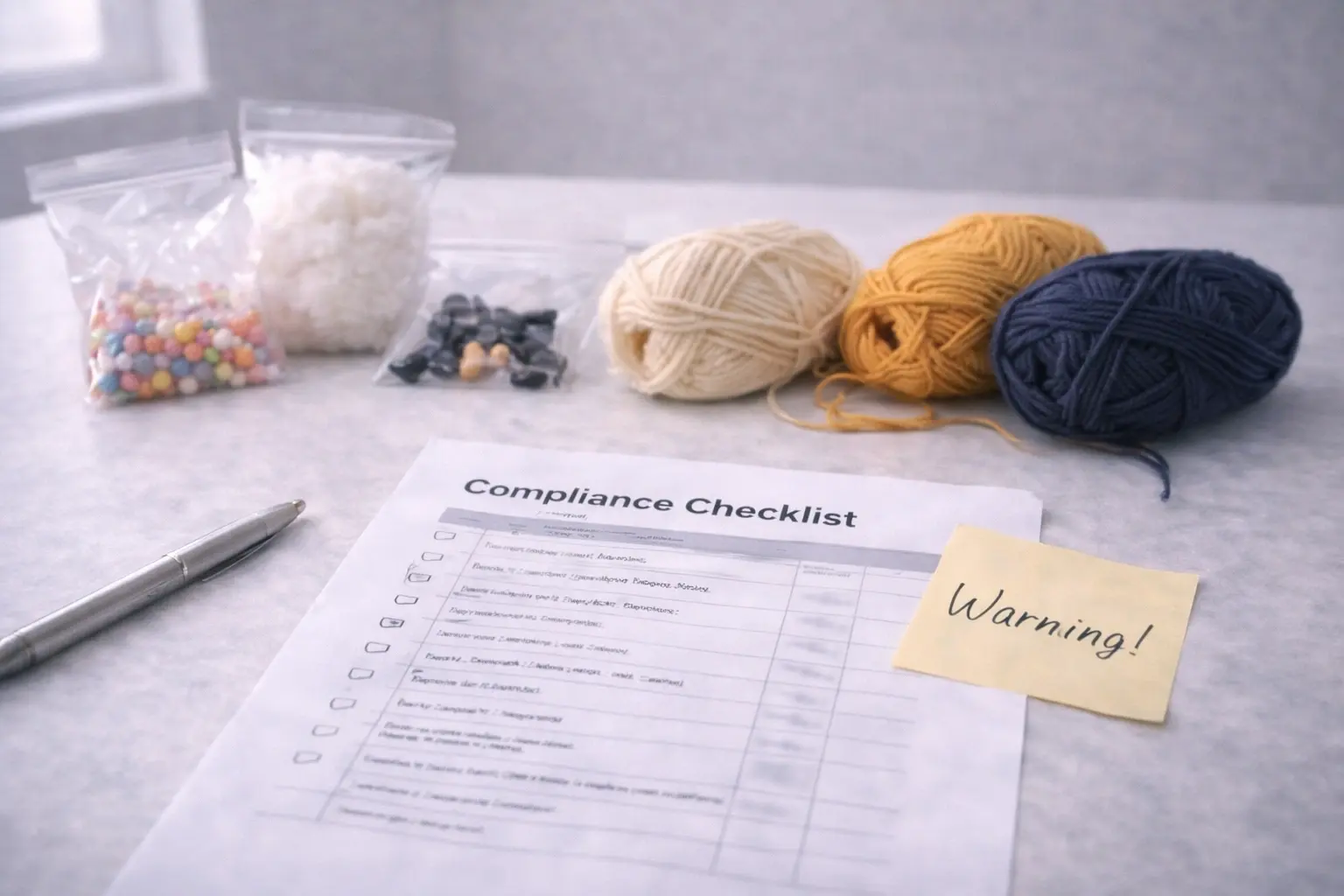
Common Compliance Mistakes in Custom Handmade Manufacturing
The mistakes that most often cause delays: material gaps, unclear components, weak claims control, and incomplete documentation.
Read ArticleReady to Discuss Your Compliance Requirements?
Share your target market(s), age grading, product type, and component list. We’ll help you define a testing-ready sample and documentation plan for third-party lab submission.
Important: We provide manufacturing support for compliance preparation only. Final certification, declarations, regulatory filings, and market compliance remain the responsibility of the brand owner / importer.