Scalable Handmade Production
We combine a centralized QC and coordination hub with a distributed workshop network to support more stable capacity, clearer production planning, and better delivery confidence for global handmade programs.
From sample approval and workshop allocation to weekly progress updates and final shipment verification, this system is designed to help sourcing teams manage handmade production with less uncertainty.
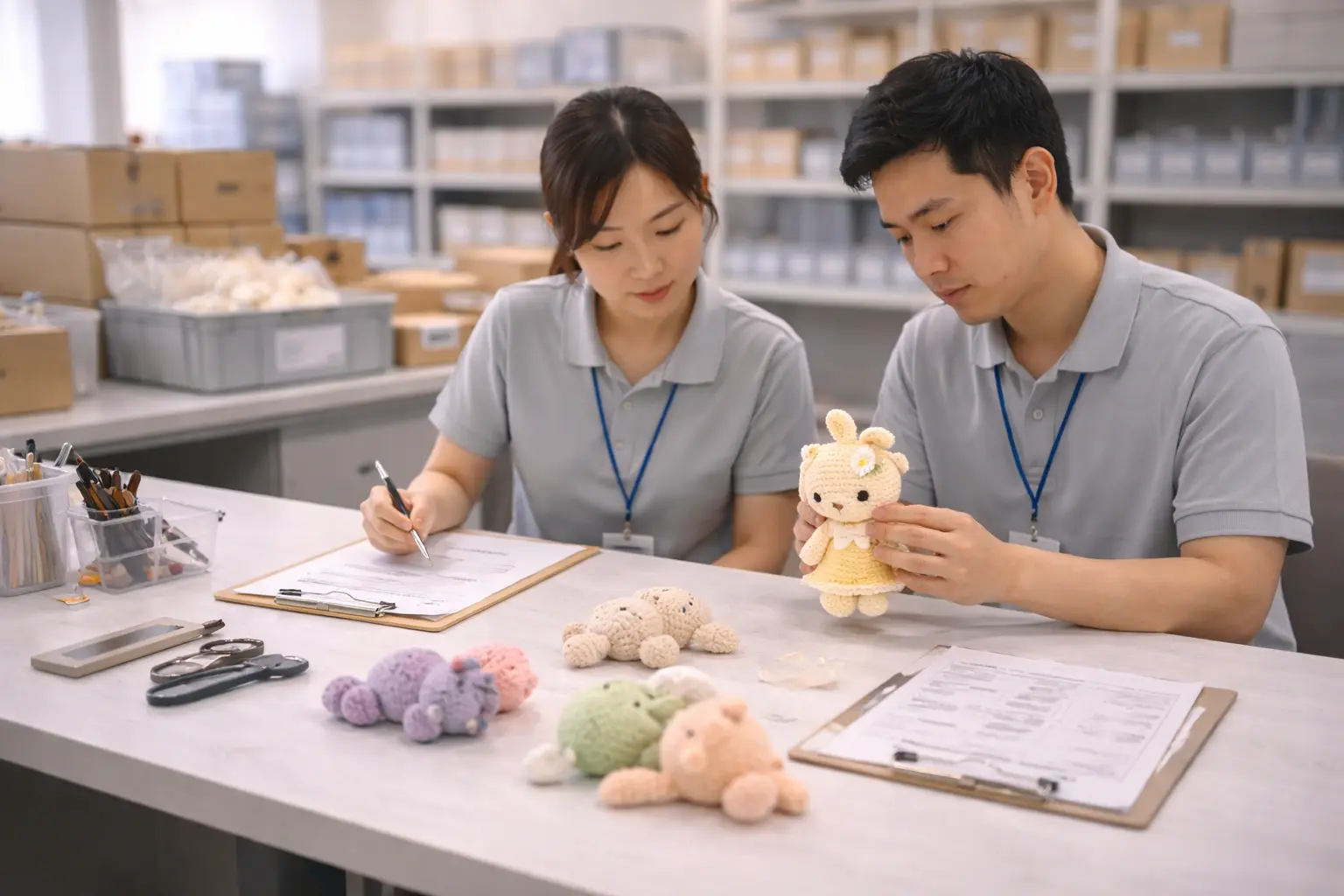
Capacity Snapshot
A fast overview for sourcing teams evaluating handmade production readiness.
MOQ
Project-based
Defined by SKU complexity, material mix, packaging, and launch structure.
Sampling
7–15 days
Production-ready sample with BOM confirmation and feasibility review.
Scaling model
Flexible
Workshop allocation adjusted by demand, timing, and risk coverage.
Buyer updates
Milestone-led
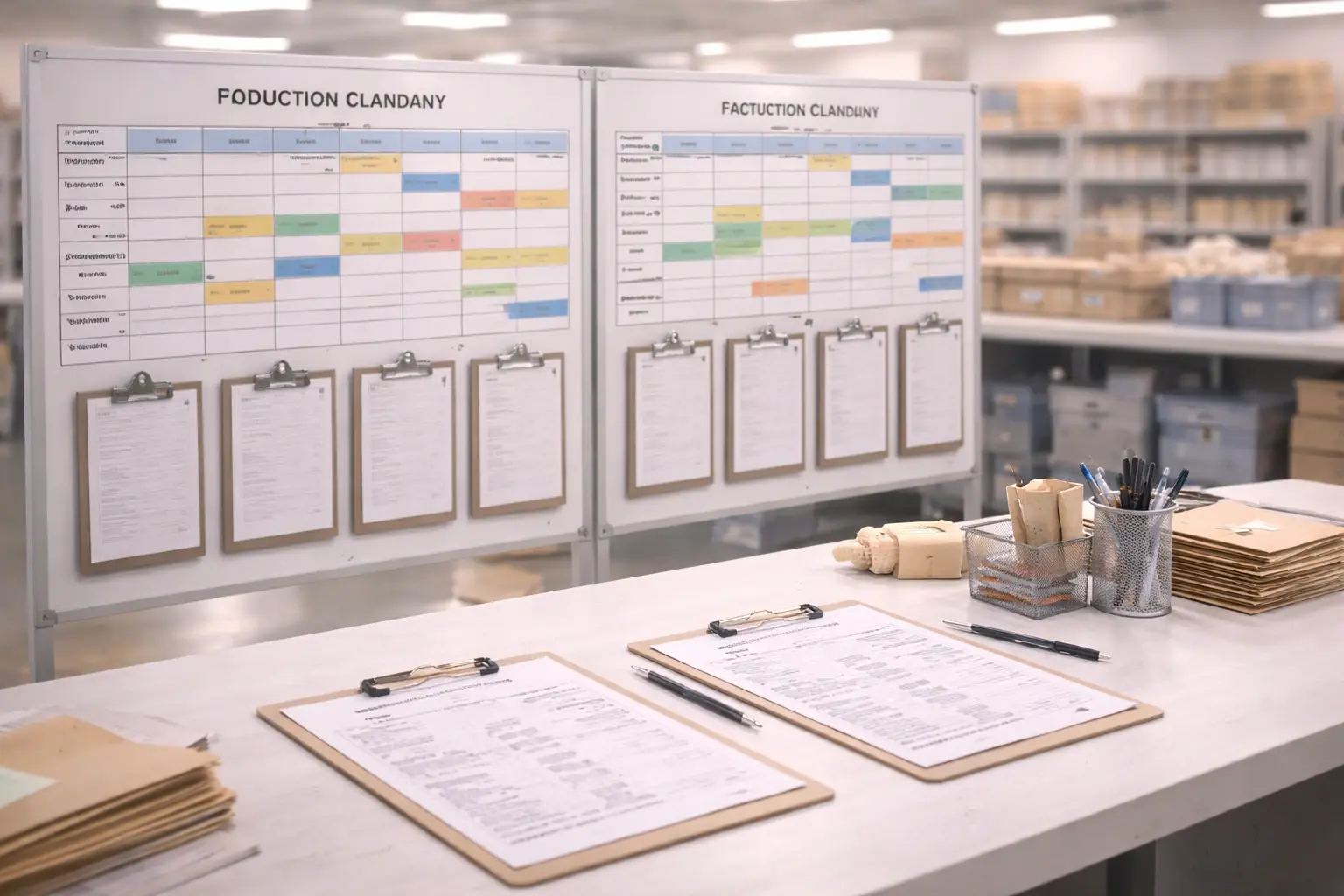
Schedule tracking, weekly updates, and final verification records.
Check whether capacity, workshop coverage, and delivery planning can support your order structure and launch window.
See how milestone schedules, updates, and change handling work across distributed handmade production.
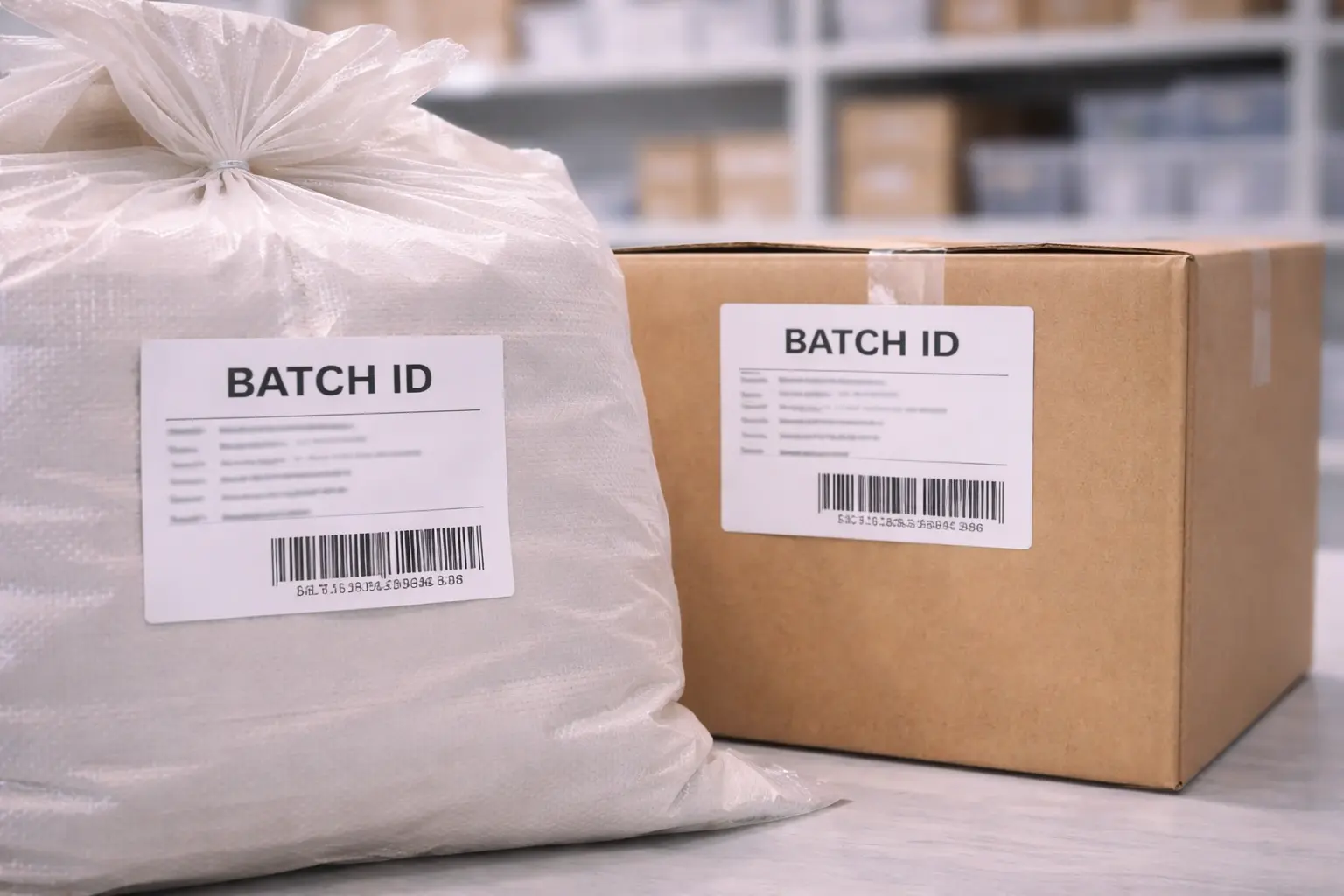
Review how final verification, traceability, and multi-site QC coordination support shipment control.
Understand how handmade production can still support consistency, retail timing, and clearer communication.
How Scalable Handmade Production Works
The system is designed to make handmade production more controllable: first confirm feasibility, then assign capacity, then monitor milestones, and only release shipment after final verification.
Feasibility & Sample Review
Confirm BOM, sample direction, quality expectations, and timing assumptions before scale-up.
Workshop Allocation
Assign primary capacity and prepare backup logic based on SKU mix, volume, and launch priority.
Milestone Monitoring
Track progress by stage, provide weekly updates, and flag risks before they affect shipment timing.
Final Verification
Complete final inspection, packing verification, and shipment readiness review before release.
What this means for buyers

Production Structure Overview

Central Hub + Distributed Workshop Network
A centralized hub manages sample approval, QC standards, scheduling, and final verification, while distributed workshops provide flexible execution capacity and backup coverage.
- Centralized QC and project coordination
- Regional workshop execution units
- Integrated materials and logistics support
- Backup allocation logic for disruption reduction
Buyers get more flexible capacity than a single-site setup, while still keeping critical controls such as sample approval, milestone tracking, and shipment release under centralized review.

Capacity Flexibility & Risk Control
Flexibility only matters when it improves delivery confidence. This section explains how capacity is adjusted without losing visibility or control.
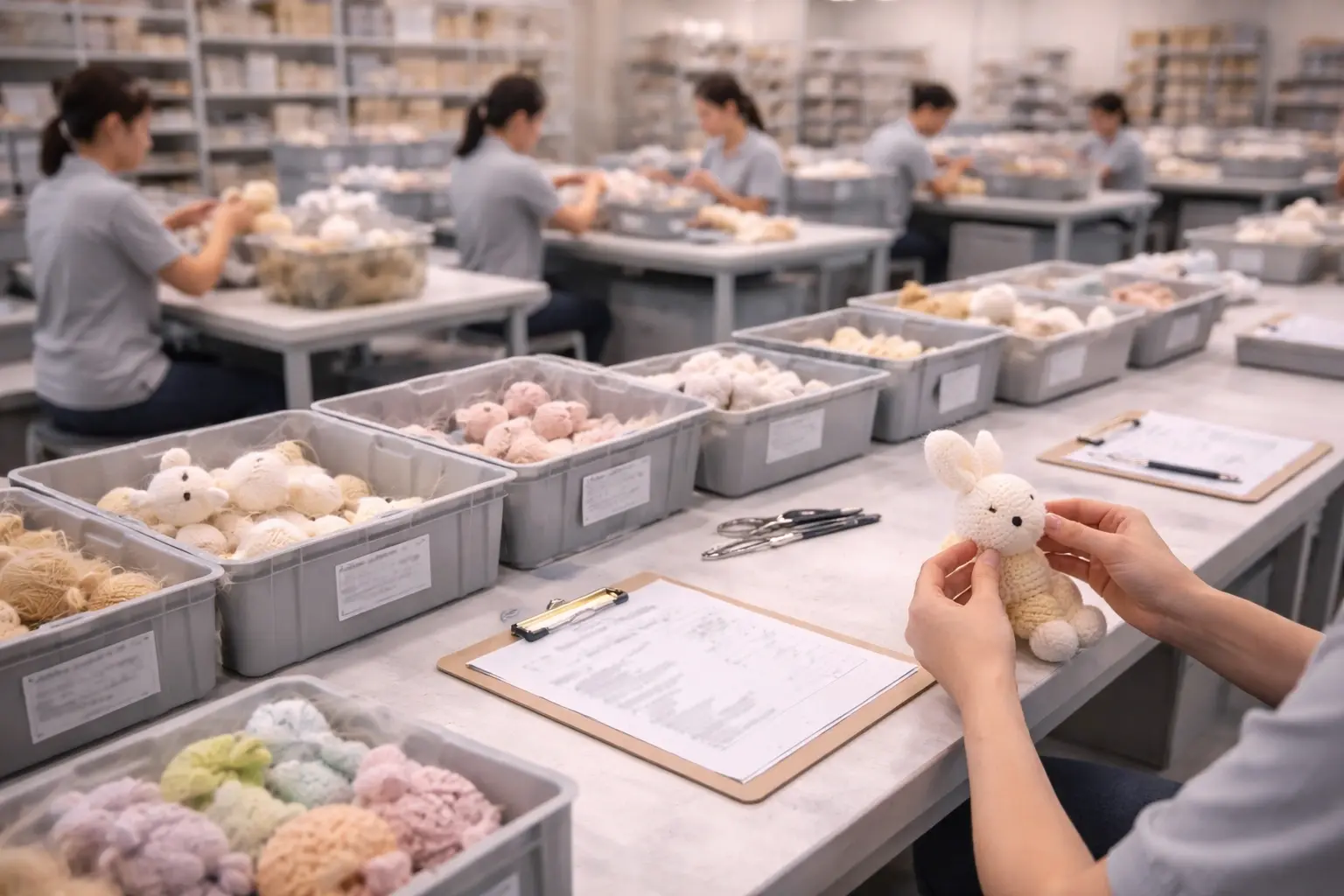
Flexible production capacity
Workshop allocation can be adjusted for seasonal demand, launch waves, and SKU mix changes.
Project-based coordination
Milestone-driven management helps handle multiple SKUs, revisions, and shifting launch priorities.
Backup capacity logic
Multiple production sites and backup arrangements help reduce disruption risk during critical windows.
Buyer-visible controls
Weekly updates, final inspection, and shipment verification help keep capacity decisions transparent.
Production Planning & Lead Time
Realistic timelines built around handmade production realities, supported by milestone schedules, weekly updates, and verified final checks.

- Milestone schedule
- Weekly photo or video updates
- Final inspection report
- Capacity allocation
- Change control
- Shipment coordination
Project Management Approach
Transparent controls for complex and multi-SKU production.
Capacity assessment
Confirm feasibility before commitment
Resource allocation
Assign primary and backup production resources
Progress monitoring
Milestones, updates, and proactive risk alerts
Delivery coordination
Final verification and shipment readiness
Buyer-relevant outcomes
FAQ
Quick answers for buyers evaluating handmade production capacity and lead-time control.
How do you manage capacity across multiple workshops?
Can you support multi-SKU programs with different timelines?
What information helps you assess capacity faster?
How do you reduce disruption risk in handmade production?
What project documents can you usually share during production?
Production Insights
Practical reads on scaling handmade production, managing lead time, and coordinating distributed workshop networks.
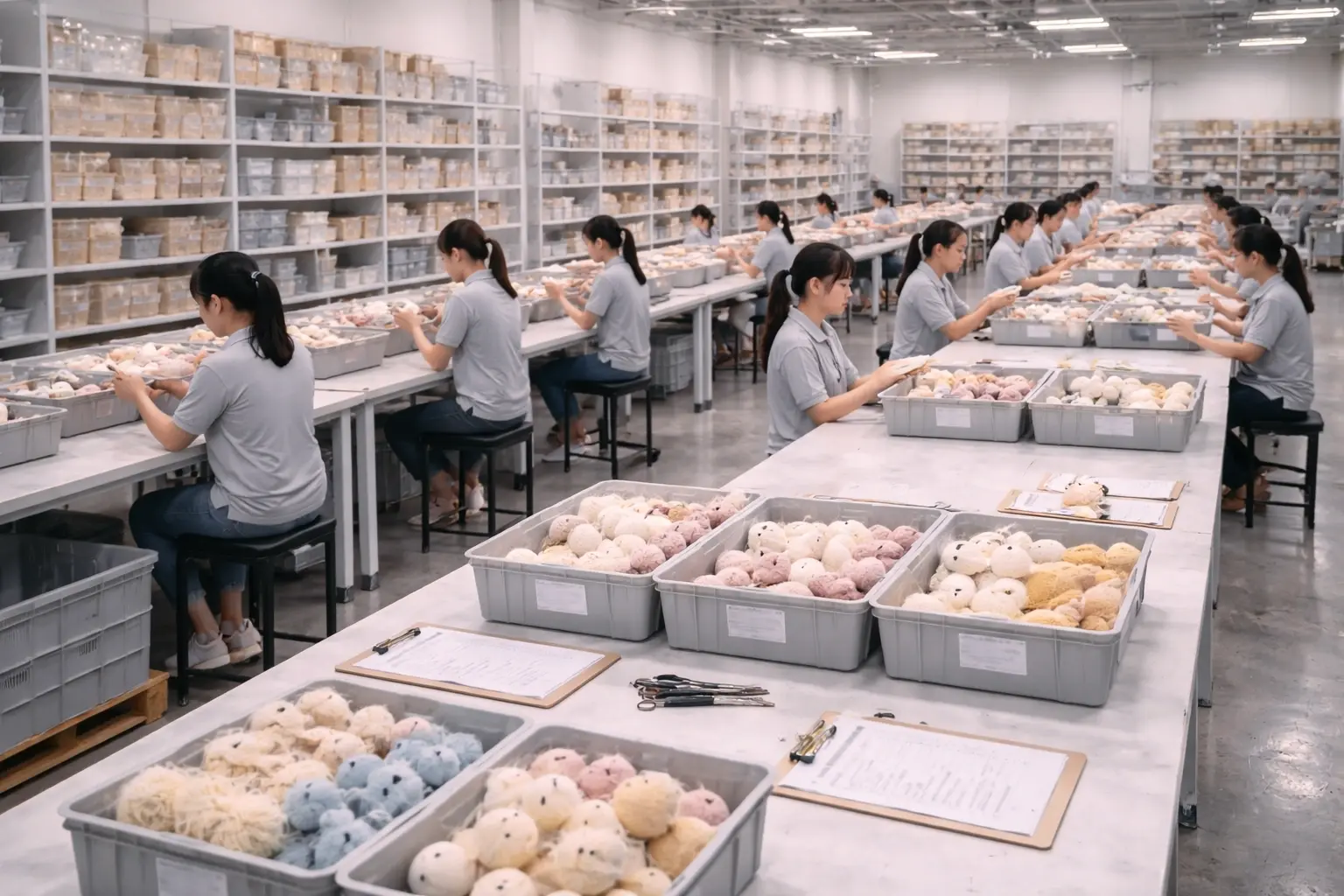
How We Scale Handmade Production for Global Brands
The systems and checkpoints that help maintain handmade quality while delivering more predictable results at scale.
Read Article
Managing Lead Time in Custom Crochet Projects
How we balance handmade realities with sourcing expectations to build more transparent delivery schedules.
Read Article
Inside a Distributed Handmade Production Network
A behind-the-scenes look at coordination, QC nodes, and capacity planning across multiple workshop sites.
Read Article
Start a Production Discussion
Tell us your SKU count, target timeline, packaging requirements, and compliance scope. We’ll respond with a capacity assessment, milestone plan, and a practical next step for sampling.