Quality Control Process
Craftsmanship with System Control
We understand handmade products have natural variation. Our systematic approach controls this variation within acceptable ranges while preserving the authentic handcrafted appeal your customers value.
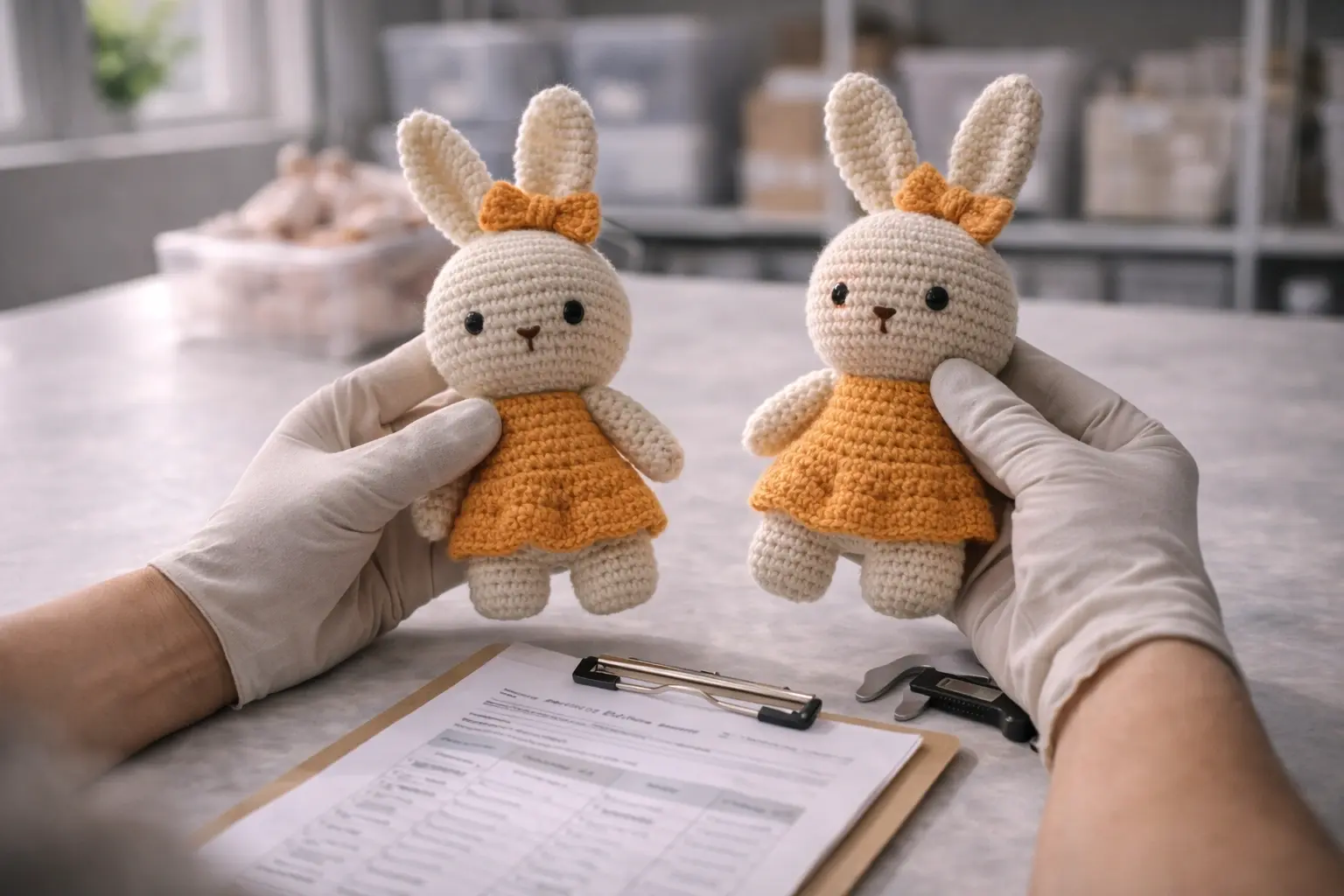
Why This Matters to Buyers
A documented QC system is not just internal management. It helps reduce shipment risk, support compliance review, and protect brand consistency across repeat orders.
Avoid shipment rejection, customer complaints, and preventable quality failures.
Keep handmade production within agreed standards across multiple lots and reorders.
Provide records, traceability, and inspection logic that help sourcing and compliance teams review faster.
QC Pack (Examples)
Get a quick view of how we document inspections. We can share redacted examples under NDA for buyer review.

3-Stage Quality Control Workflow
Our QC process starts before production and continues through final packing. Each stage is designed to reduce risk before issues become shipment problems.
Incoming Material Inspection
Consistency starts with materials. We inspect each batch of yarn, filling, and accessories to ensure color accuracy, texture uniformity, and compliance readiness before they move into production.
Color & Appearance
- Pantone / brand color verification
- Batch consistency comparison
- Light fastness checks (as required)
Material Quality
- Fiber composition verification
- Strength / integrity checks
- Safety documentation review (EN71 / ASTM F963 / CPC readiness)
Records & Outputs
Buyer Benefit
Better incoming controls reduce downstream variation, improve repeat-order consistency, and lower the chance of avoidable defects later in production.
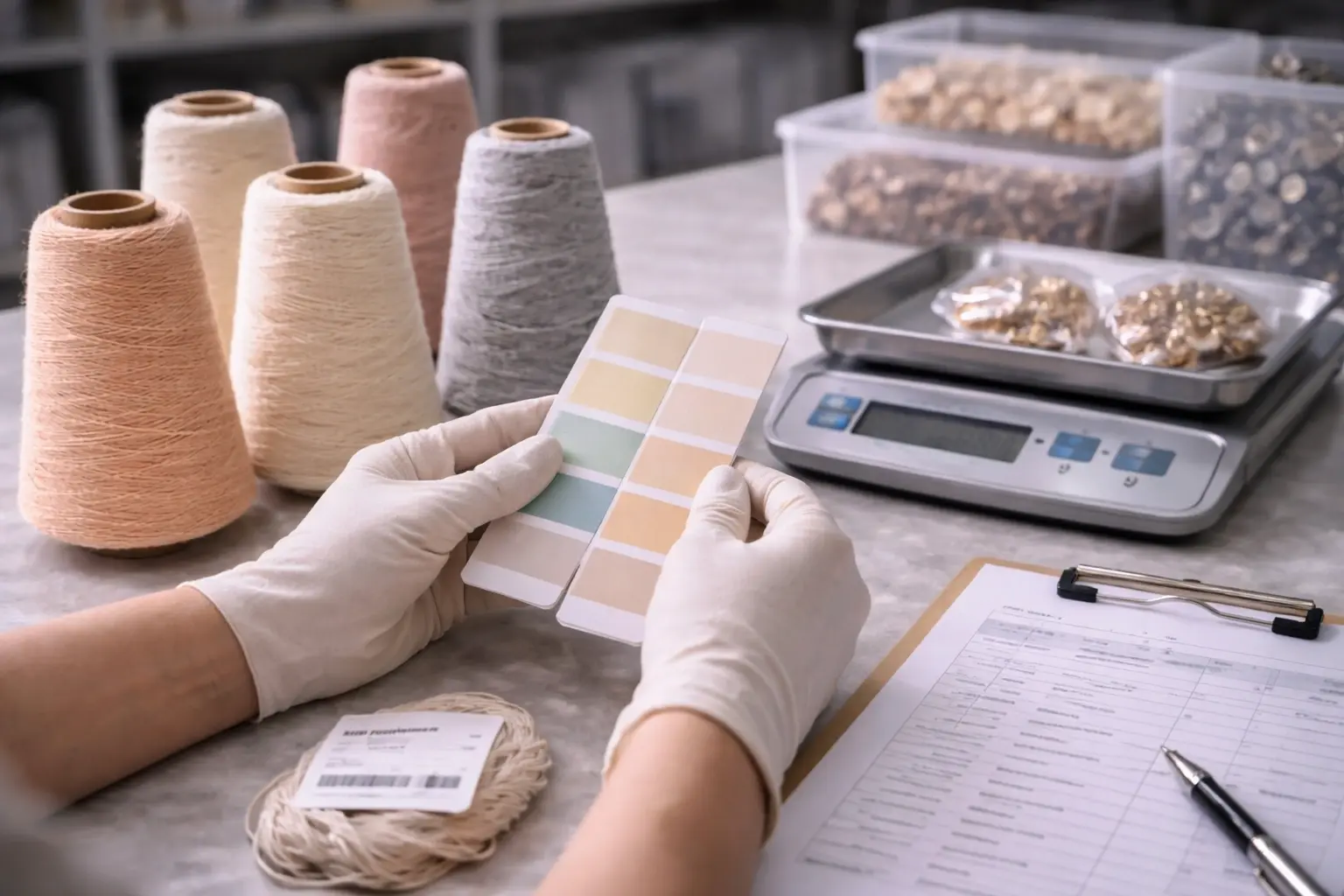
Tip: use documentary-style photos with tools, batch tags, and records, while keeping sensitive text blurred or unreadable.
In-Process Quality Control
Supervisors monitor critical production stages, ensuring dimensional accuracy and stitch consistency while respecting the natural characteristics of handcrafted work.
Key Control Points
Records & Outputs
Buyer Benefit
In-process control helps catch variation early, reducing the chance that small workmanship issues become batch-level defects or delay final shipment approval.
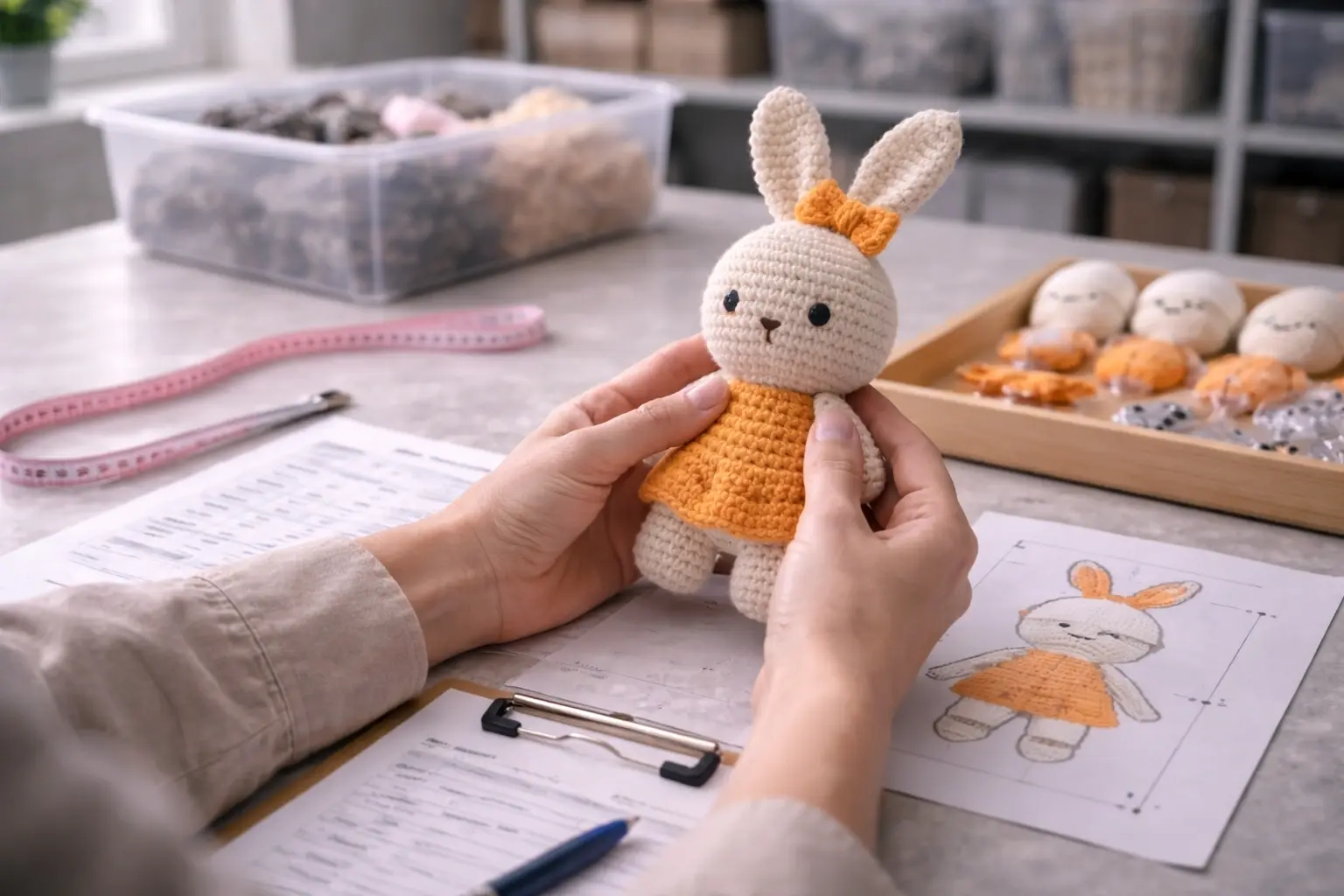
Final Inspection & Packing Check
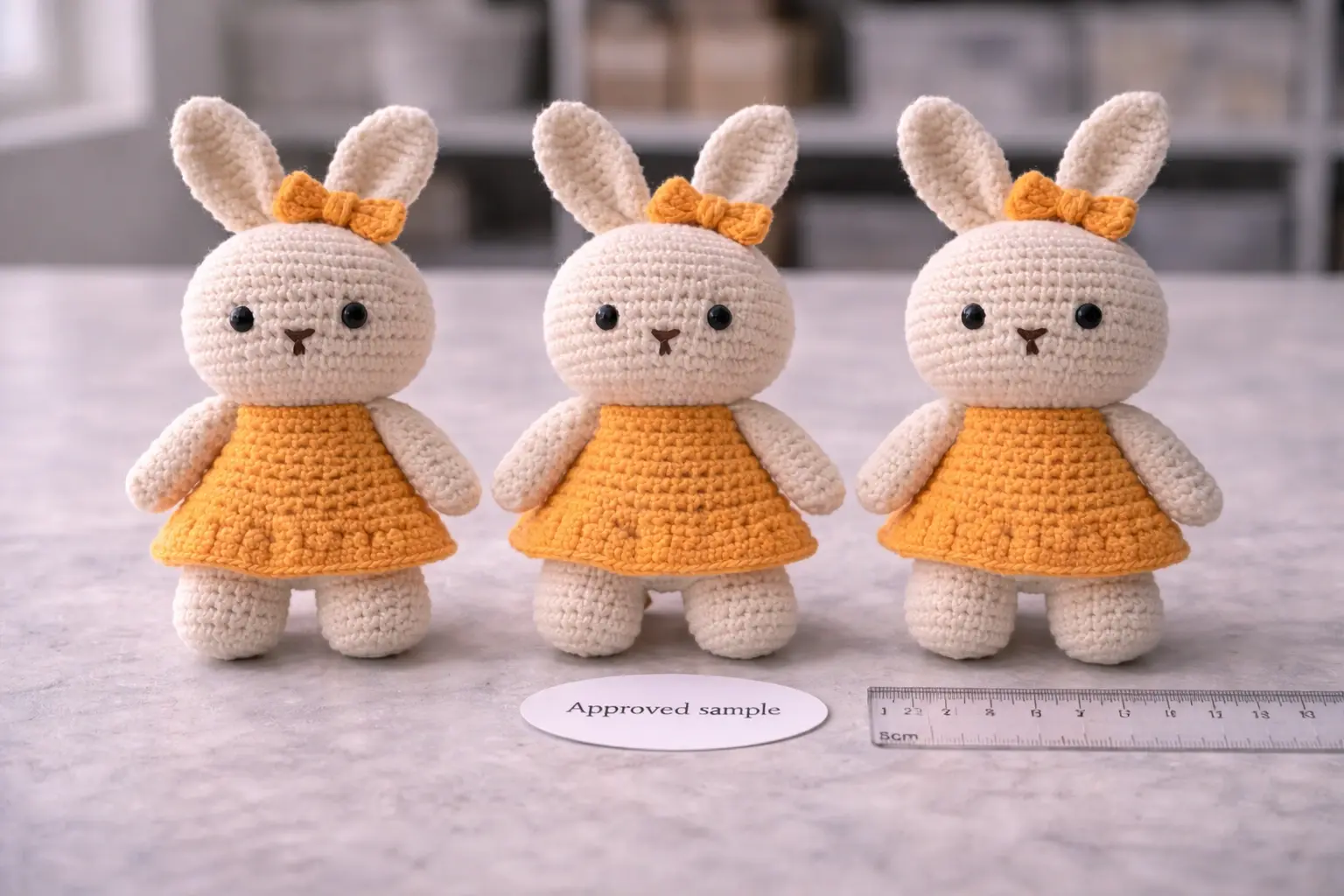
Finished products are inspected against approved samples and specifications. Any acceptable variations are documented, and packing is verified before shipment.
Appearance Assessment
Visual comparison with approved samples: color, shape, surface finish, and overall presentation.
Functional Testing
Stress checks on seams, attachment points, and any moving parts according to project specs.
Safety Verification
Small parts, sharp edges, labeling checks, and other market-specific requirements as applicable.
Records & Outputs
Buyer Benefit
Final inspection and packing verification help ensure that shipment-ready goods match the approved standard before they leave the factory, reducing avoidable claims and surprises after arrival.
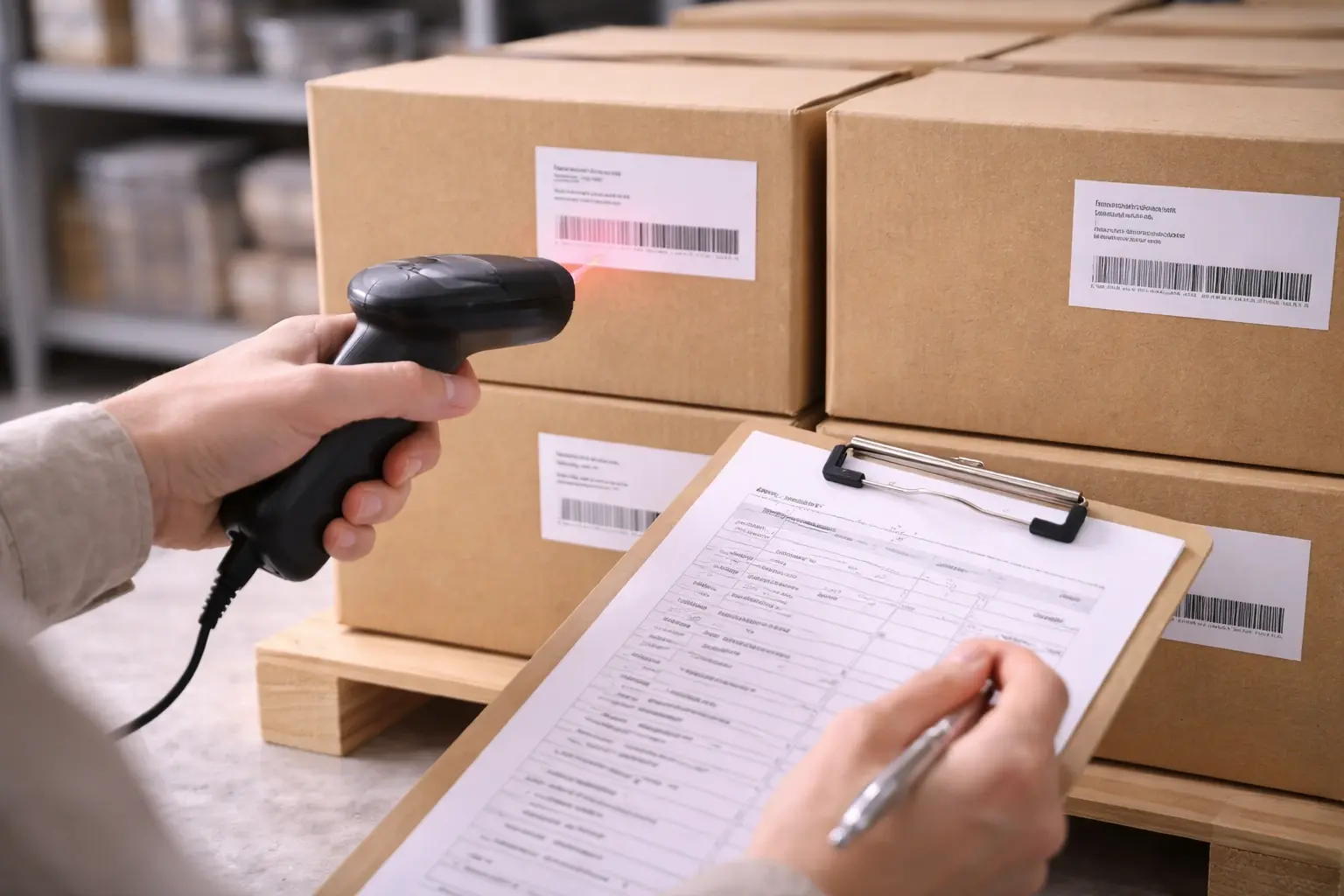
How We Prevent Quality Risks
The goal of QC is not only to find problems. It is to reduce the chance that problems grow into shipment-level risks.
Before Production
Sample approval, tolerance confirmation, material verification, and buyer alignment reduce downstream rework.
During Production
Continuous inspection and early correction stop minor variation from becoming batch-level defects.
Before Shipment
Final inspection, packing check, and documentation reduce approval uncertainty and shipment disputes.
Consistency Management Logic
We don’t eliminate handmade character — we control it within agreed ranges that maintain product integrity while preserving authentic craftsmanship appeal.
Acceptable Variation Range
Natural characteristics that preserve authenticity and are agreed at sample approval.
- Minor stitch texture variations
- Slight dimensional differences (typical ±5%)
- Natural fiber characteristics
Control Methods
Systematic methods to keep outcomes consistent across a distributed handmade network.
- Standardized pattern templates
- Progressive QC checkpoints
- Artisan skill standardization
Unacceptable Defects
Issues that compromise safety, structure, or brand requirements.
- Significant color deviations
- Structural integrity failures
- Safety compliance failures
Deviation Handling (When Something Looks Off)
Isolate → Recheck → Corrective Action → Record → Notify (if required). This keeps small deviations from becoming shipment-level risks.
Continuous Improvement
Our quality system evolves with every project. We analyze quality data, feedback, and performance trends to refine our processes while maintaining handcrafted integrity.
Data-Driven Analysis
Pattern analysis of defects and feedback to identify targeted improvements.
Artisan Training Programs
Continuous skill standardization and retraining based on real QC outcomes.
Process Optimization
Refining templates, checkpoints, and SOPs to reduce variance while keeping handmade character.

Quality Metrics (Example)
Quality Control FAQ
Common questions from sourcing, product development, and compliance teams.
What is your typical QC tolerance for handmade products?
Can you provide QC reports and inspection records?
Do you support AQL inspection standards?
What happens if defects are found during inspection?
How does your QC system support compliance readiness?
Quality Control Insights
Learn more about our approach to quality management in handmade manufacturing.
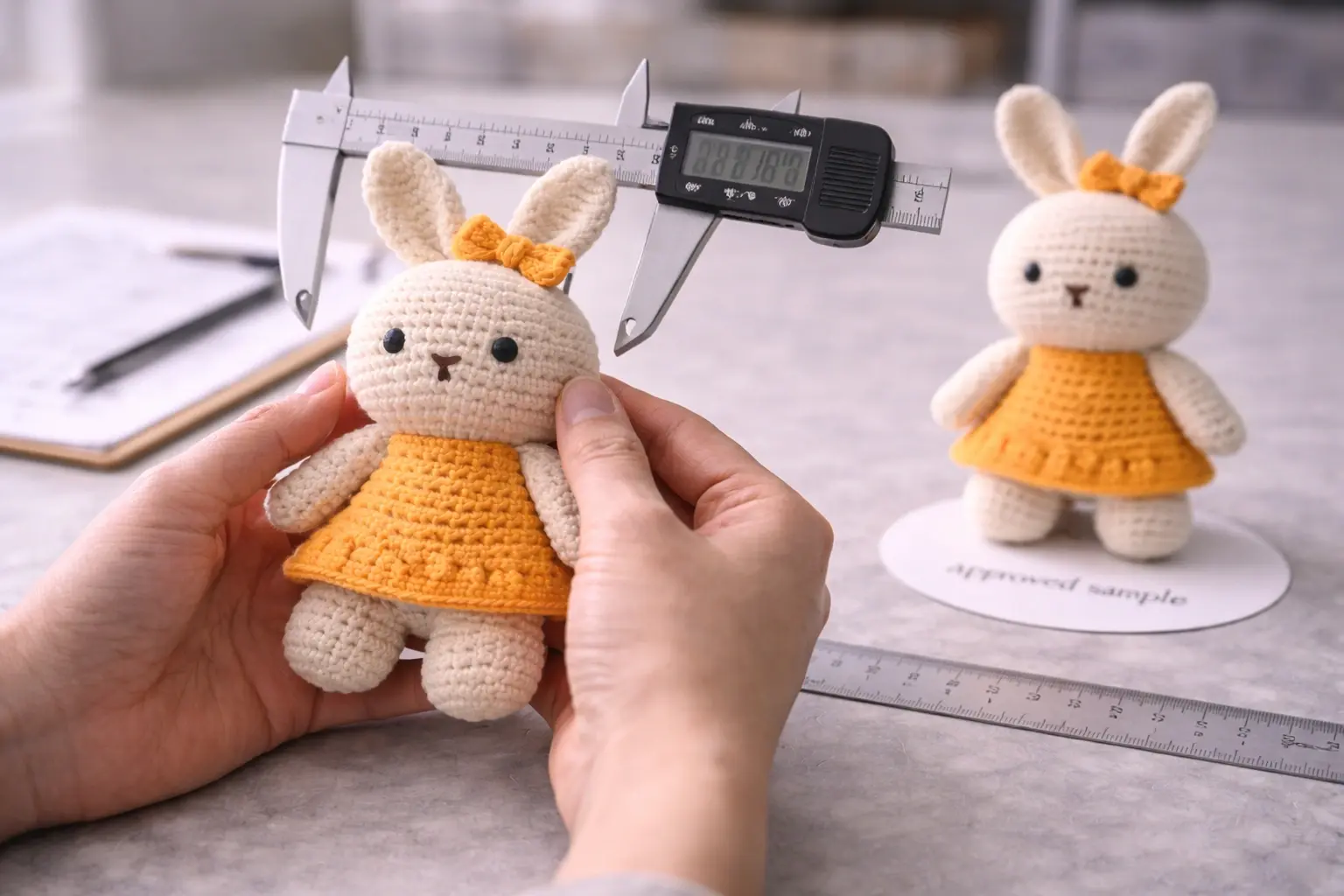
How Consistency Is Managed in Handmade Manufacturing
The systematic approach we use to maintain consistency while preserving authentic handcrafted character.
Read Article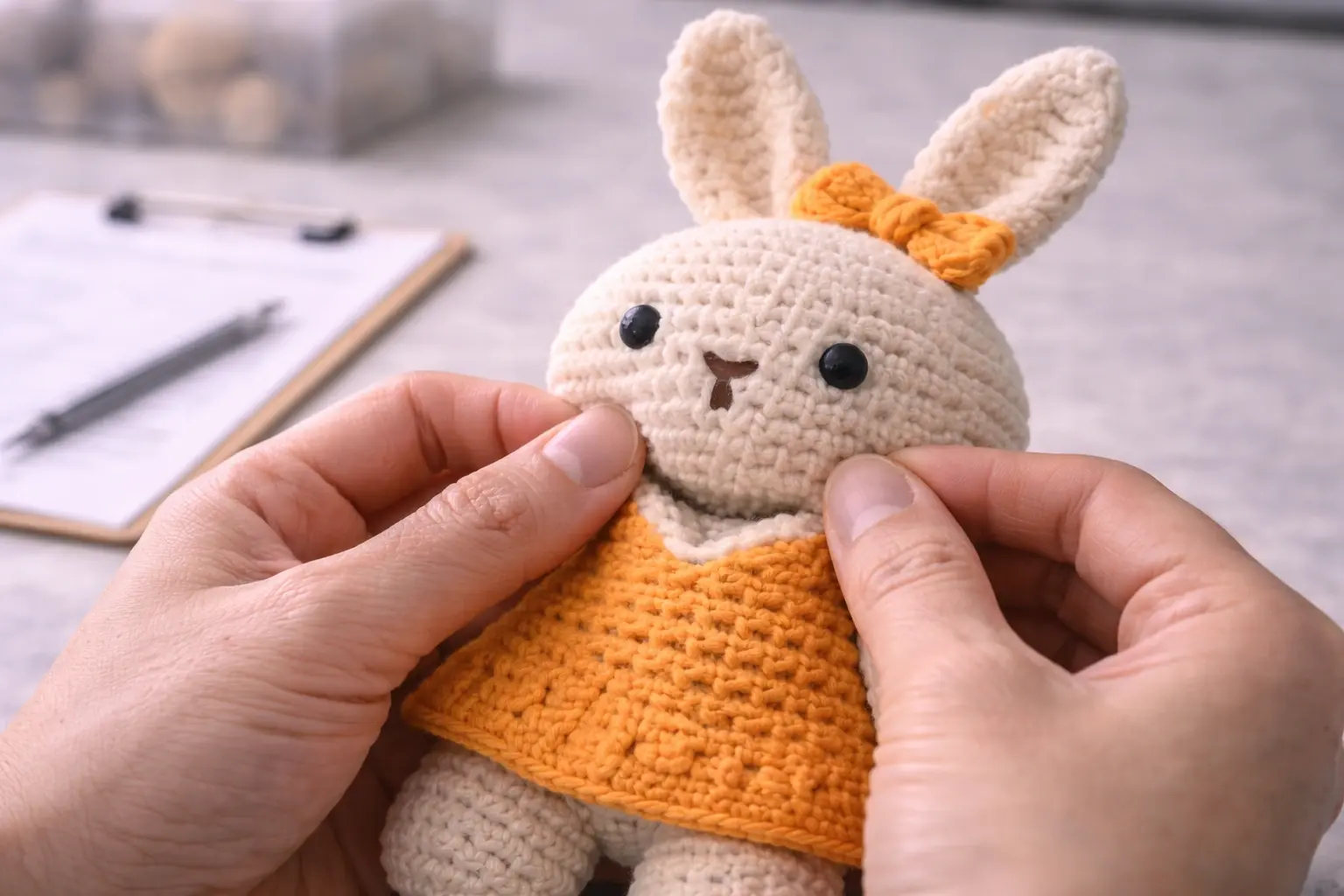
Quality Control Challenges in Crochet Production — and How We Solve Them
Common QC pain points in handmade production, and practical systems that reduce risk at scale.
Read Article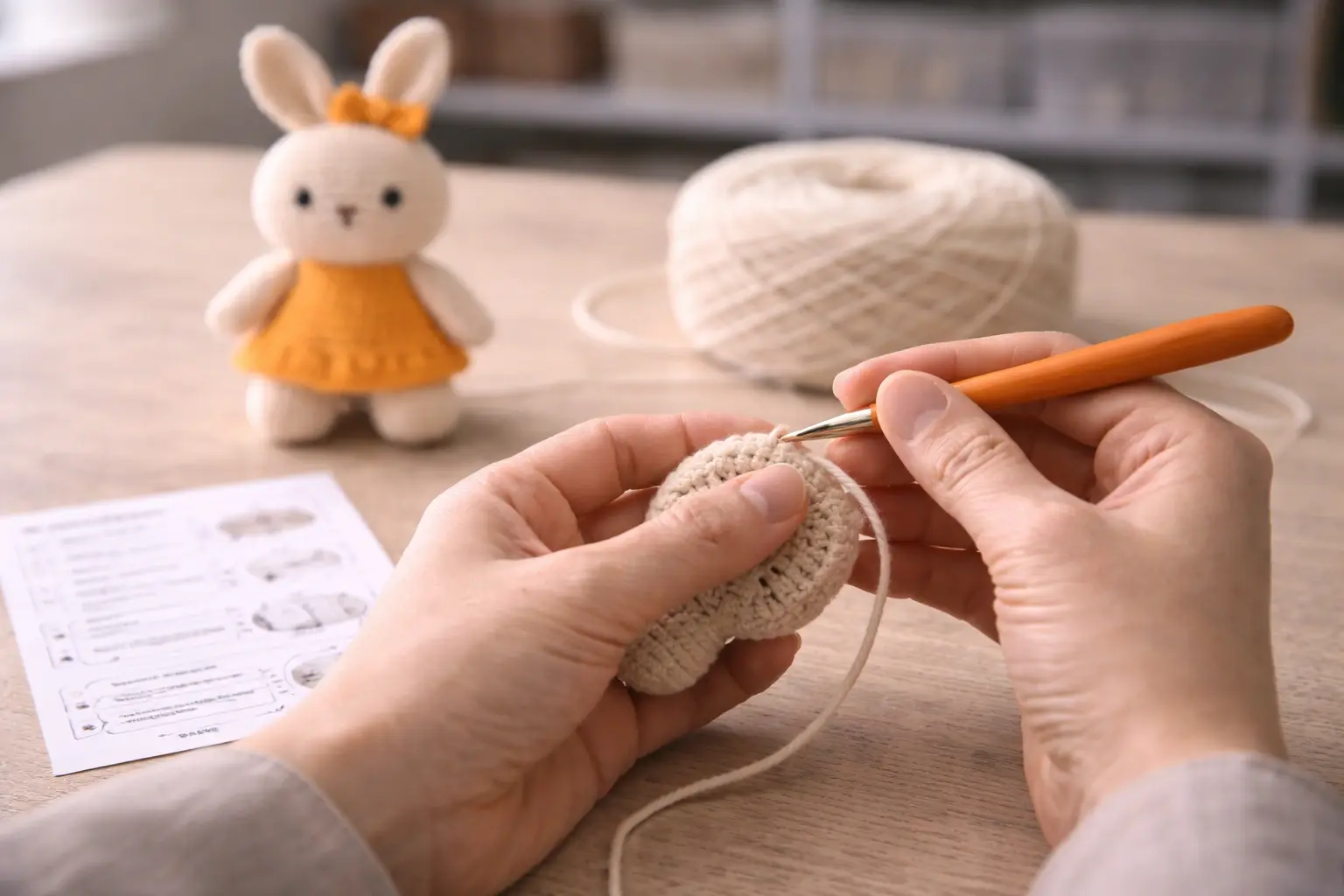
Balancing Handmade Craft and Production Standards
How we keep the handmade feel while meeting commercial consistency and compliance requirements.
Read Article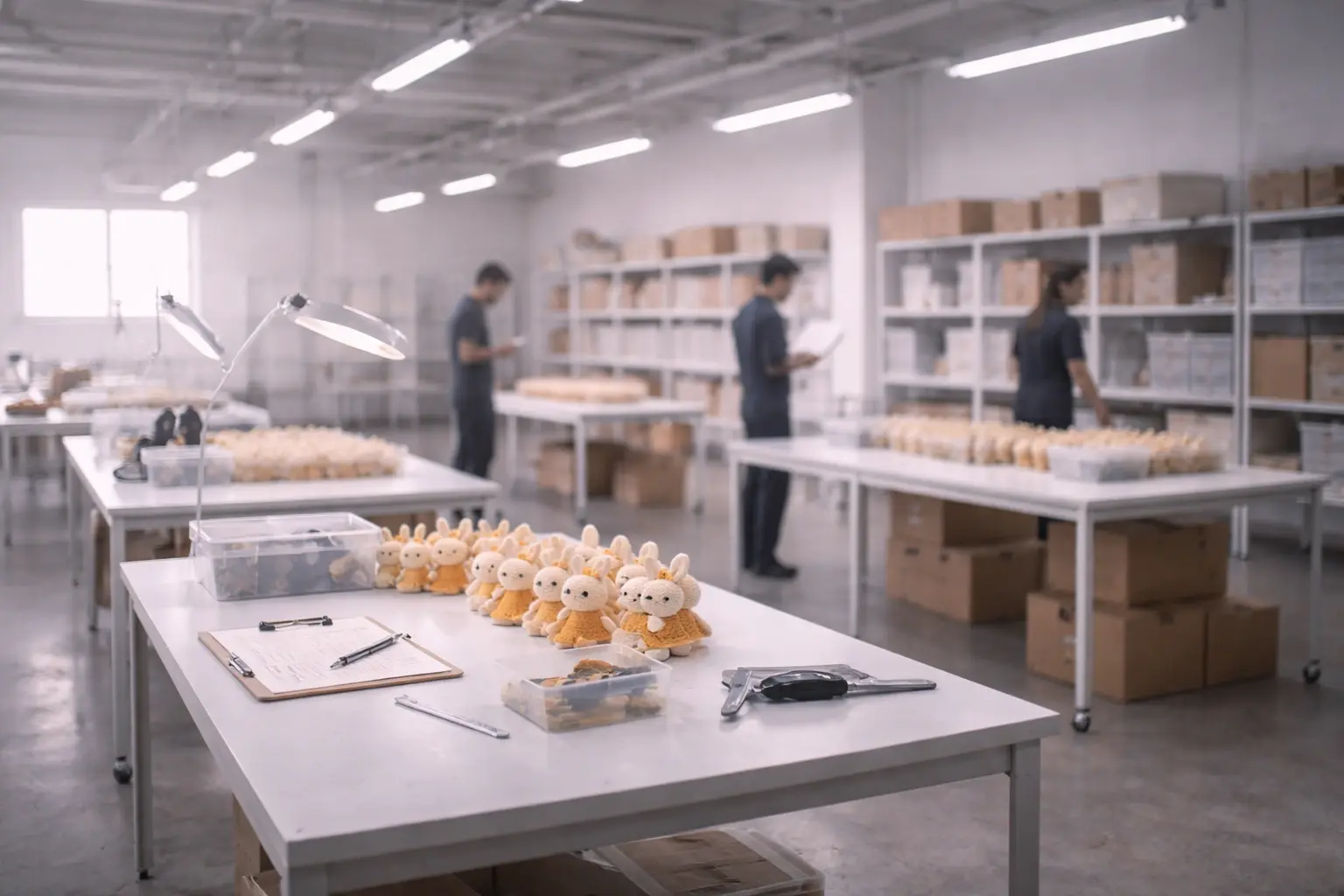
Learn About Our QC System
Want to ensure consistent, compliant handmade products for your brand? Tell us your SKU count, target market, and timeline — we’ll share the most relevant QC approach and documentation.