Materials & Sustainability
Material decisions shape product safety, consistency, brand presentation, and long-term supply reliability. We help buyers evaluate yarns, fillings, trims, documentation, and sustainability options with practical traceability and compliance support.
This page is built for sourcing teams, product managers, and compliance reviewers who need a clearer way to assess material suitability before sampling and production approval.
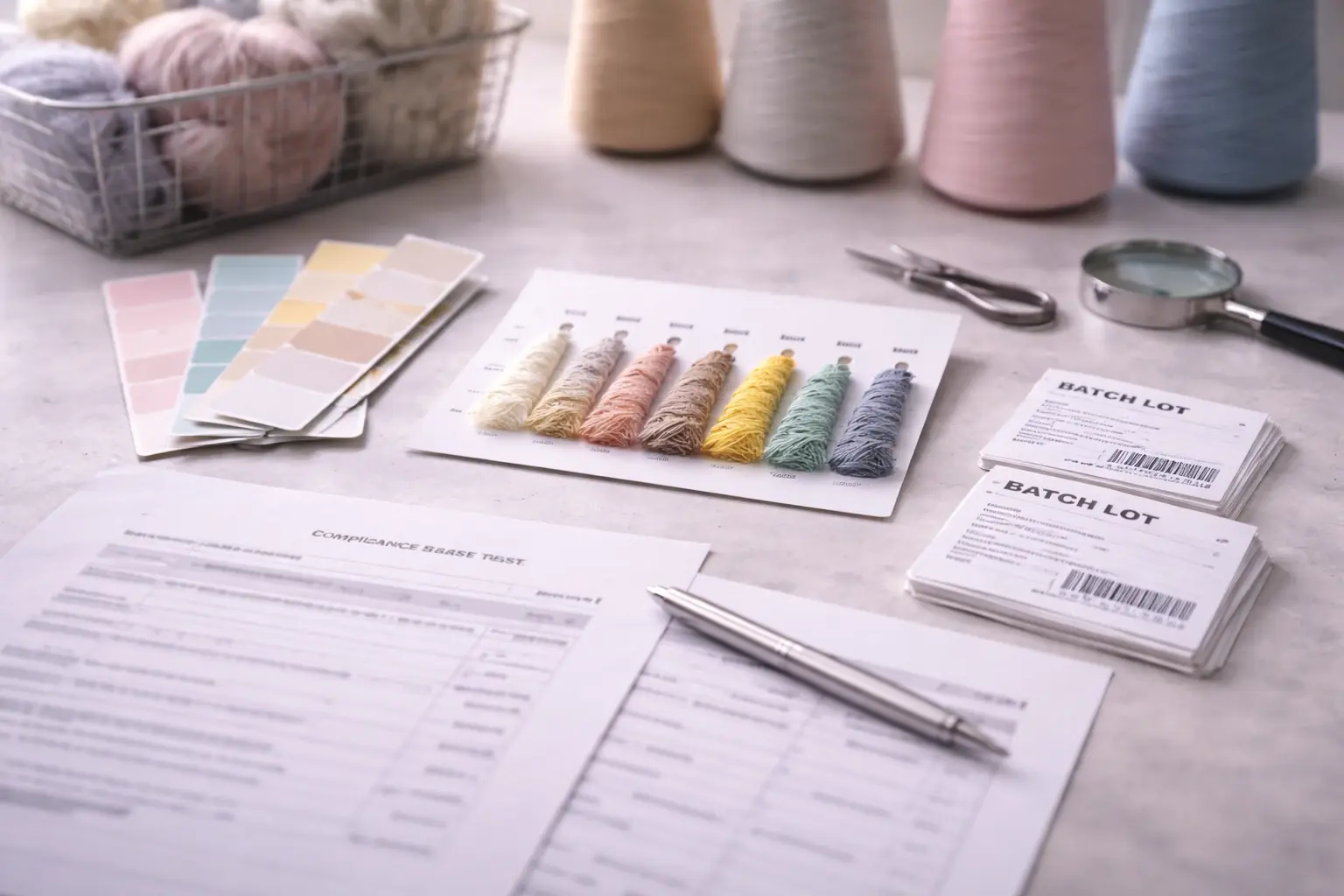
Assess material stability, documentation depth, and sourcing feasibility before supplier approval.
Compare handfeel, color logic, batch continuity, and the practicality of custom material routes.
Review support files, material-side records, and test-planning readiness more efficiently.
Evaluate whether sustainability goals, product positioning, and commercial feasibility can align in one sourcing path.
Evidence That Supports Better Material Decisions
For buyer review and internal control, we organize relevant material-side documents into a practical decision flow. This helps teams evaluate sourcing credibility, safety considerations, and project readiness before production moves forward.
- CoA or specification sheet
- SDS or related supplier paperwork
- Testing report references
- Faster qualification review
- Better material approval alignment
- Cleaner project handoff to production

Material Selection Principles
We evaluate materials not only by appearance, but by product use case, sourcing stability, traceability depth, and downstream compliance readiness.

Safety First
Material suitability begins with the intended end use. We review yarns, fillings, trims, and attached components against project requirements so buyers can assess practical safety considerations before approval.
- Use-case-based material screening
- Test-planning support where needed
- Clearer compliance communication
Supply Stability
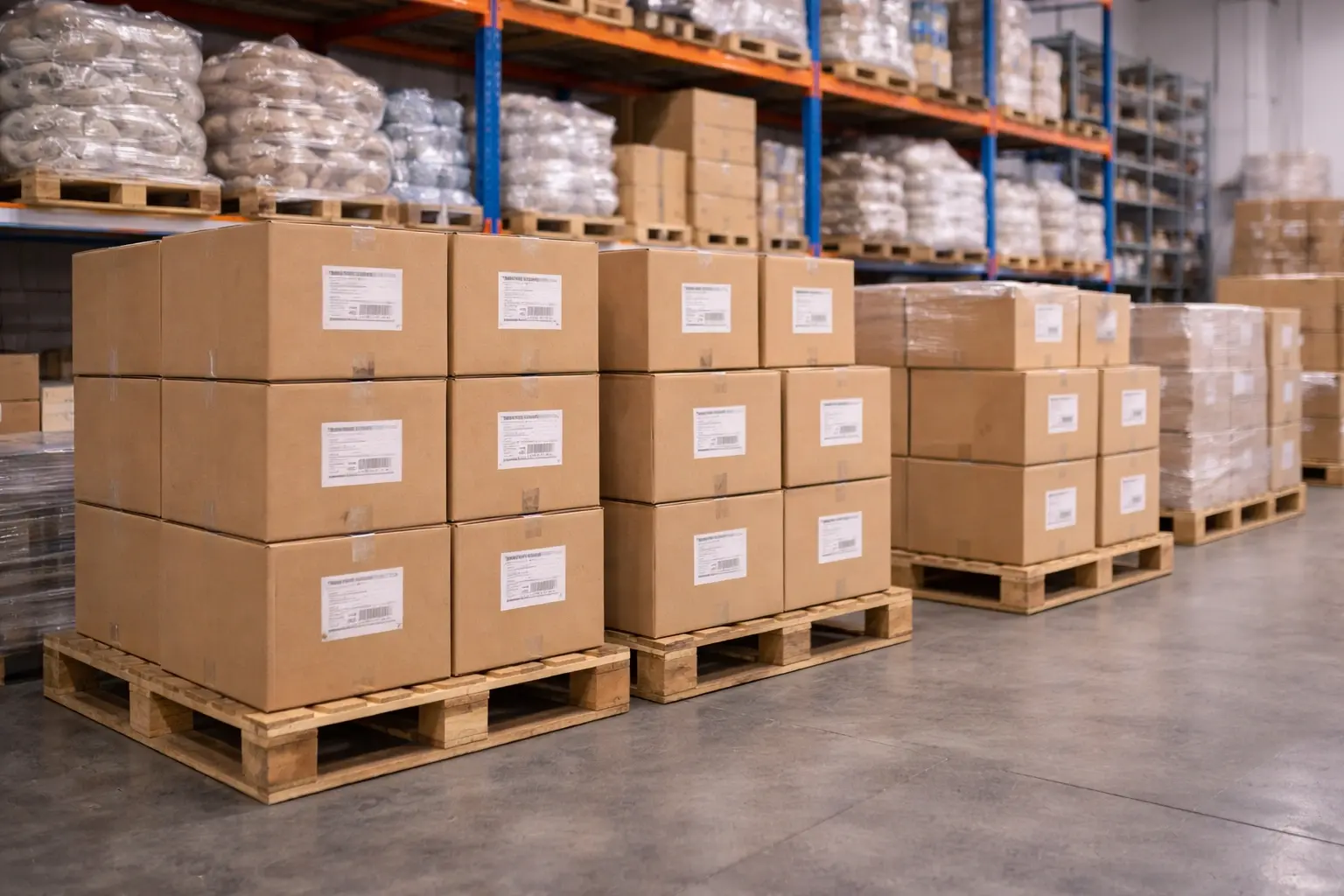
Reliable material sourcing reduces downstream disruption. We pay attention to stock continuity, replenishment predictability, and substitution risk before large-scale project commitments are made.
- Repeat-order friendly sourcing routes
- Better schedule resilience
- Lower surprise-change risk
Full Traceability
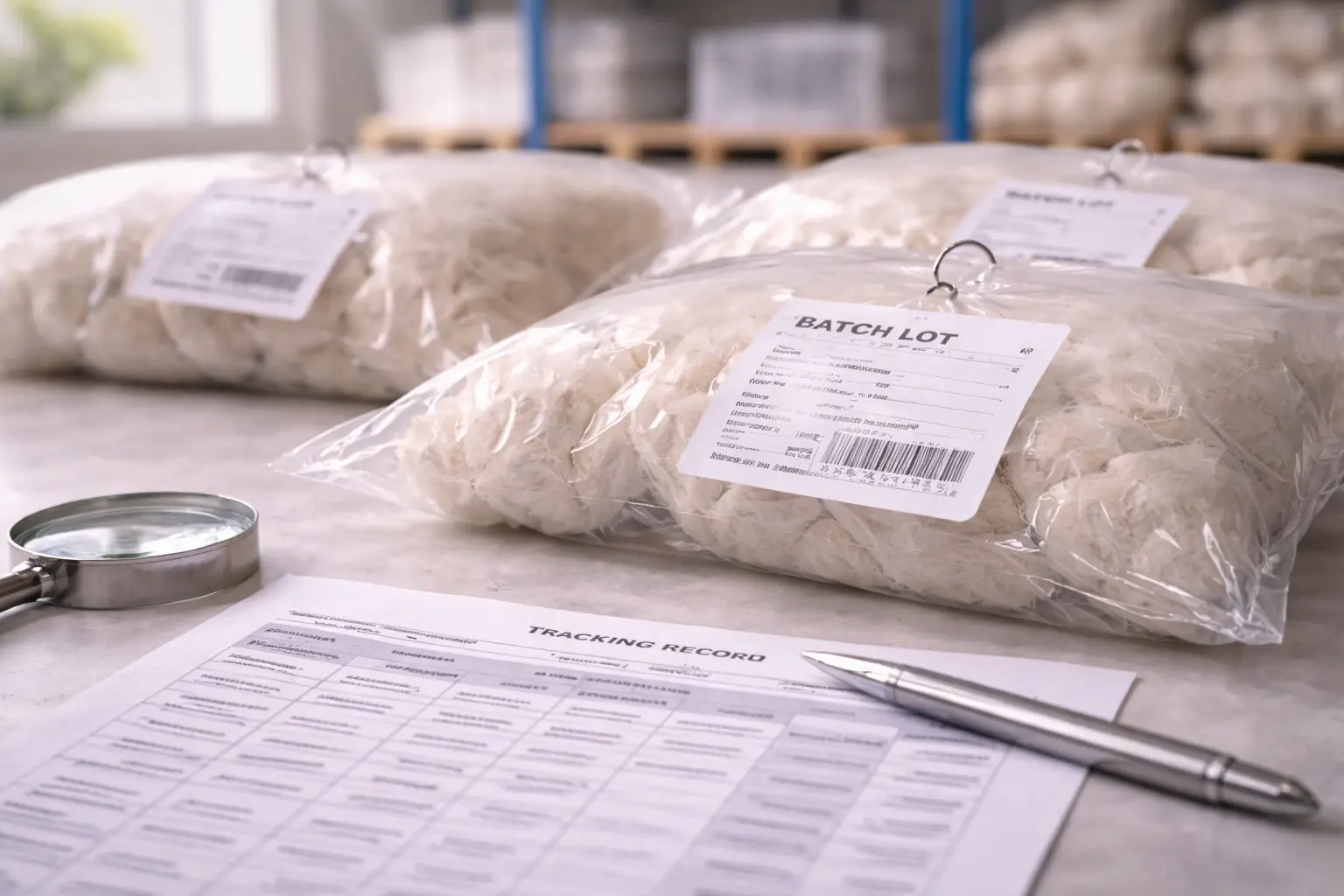
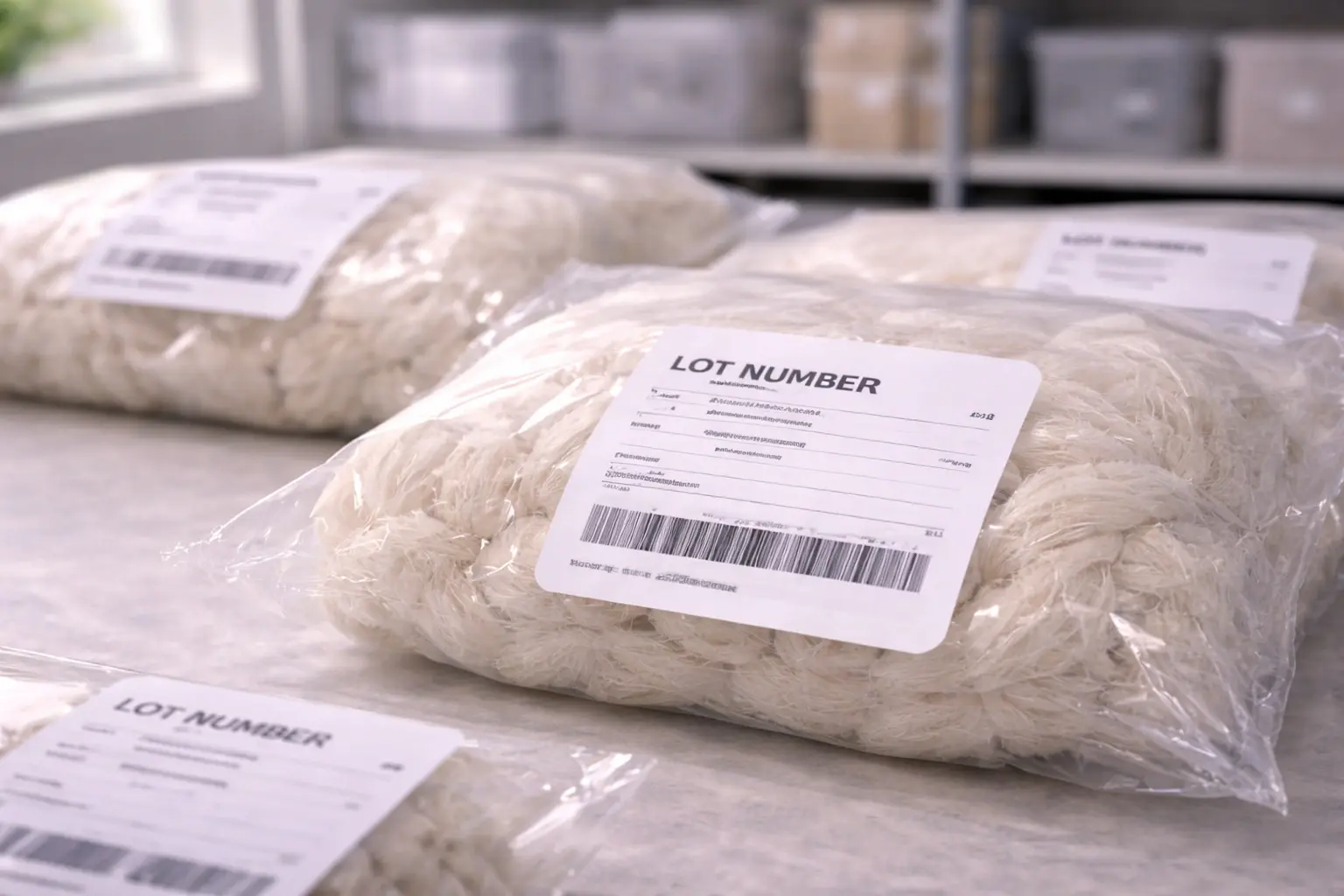
Lot-level visibility helps teams track consistency, investigate issues faster, and connect production records back to sourcing references when needed.
- Lot ID review and record linkage
- Batch-based sourcing visibility
- Stronger internal accountability
Color Matching, Specification Alignment, and Sustainable Alternatives
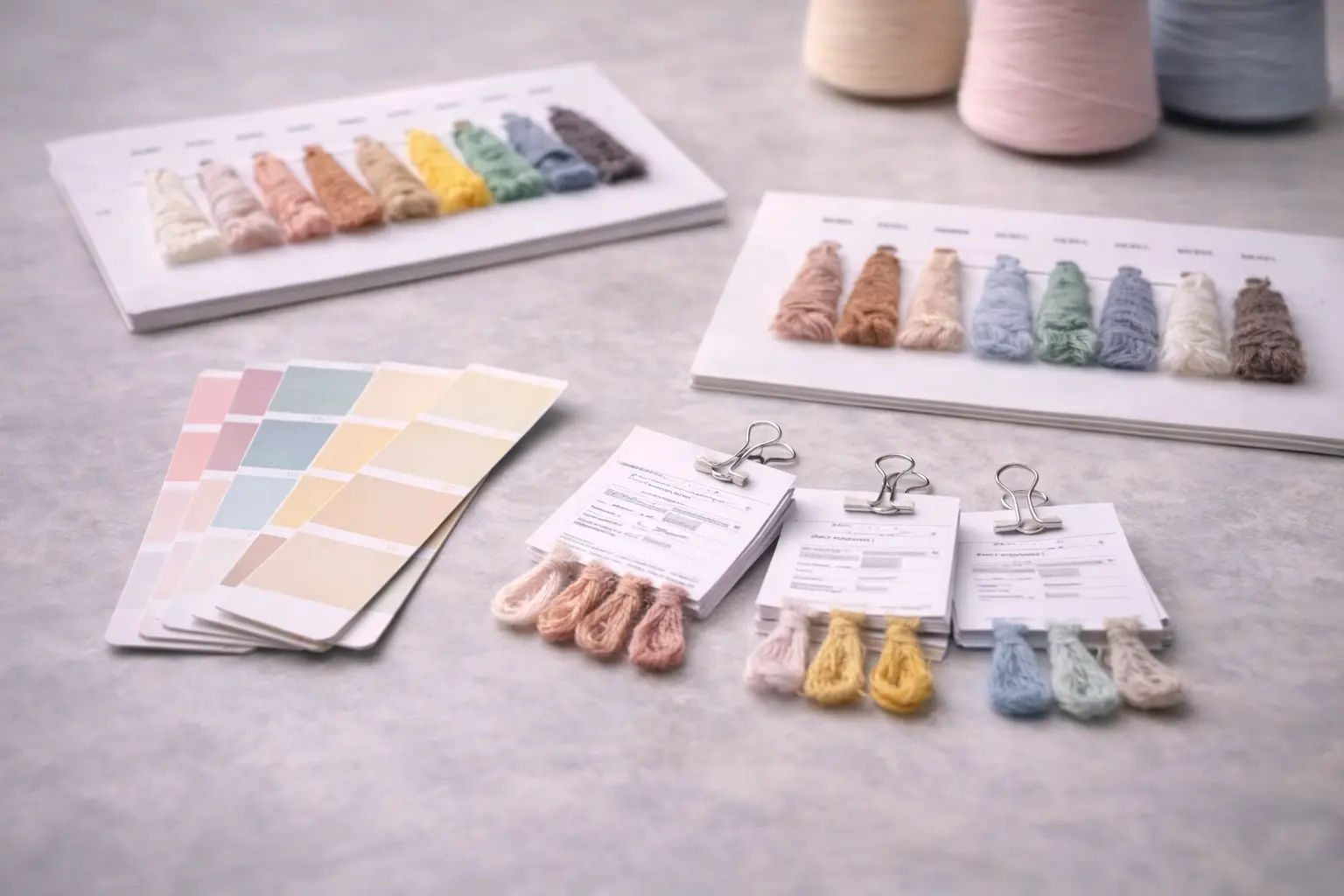
Different projects require different material paths. Some prioritize exact color expression, some focus on standardization, and others need sustainability-oriented options supported by clearer documentation and sourcing logic.
Sustainability Options
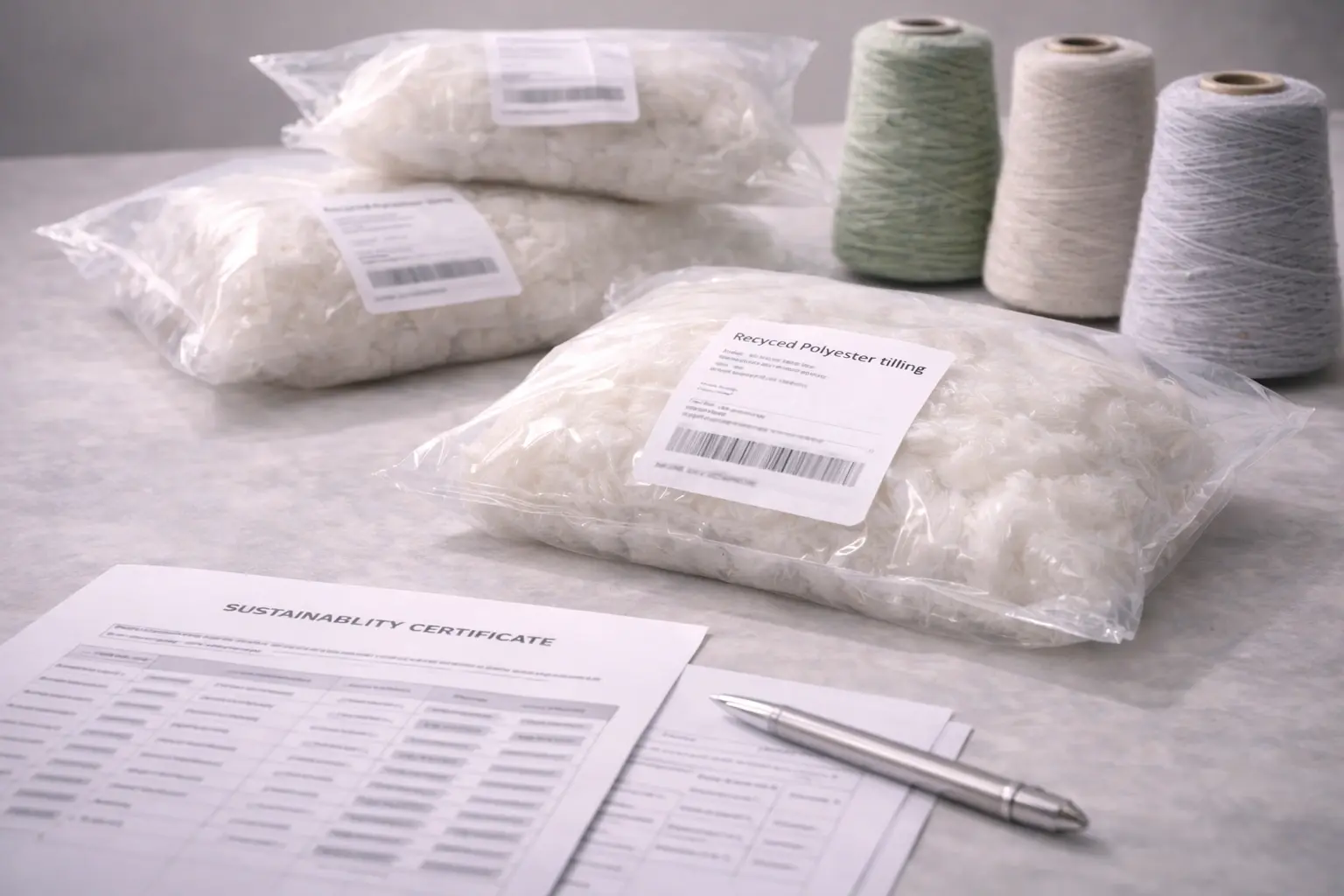
For suitable projects, we can discuss recycled or sustainability-oriented material routes based on availability, documentation readiness, target market expectations, and product feasibility.
Project Fit Review
Evaluate whether recycled or alternative materials suit the product structure and target positioning
Documentation Review
Check available certificates, supplier references, and claim-supporting materials where applicable
Commercial Feasibility
Balance sustainability goals with cost, MOQ, lead time, and repeatability requirements
- Brand storytelling support
- Retailer requirement alignment
- Better sourcing transparency
- Availability depends on project specs
- Claims should match documentation scope
- Sampling is recommended before approval
Compliance Readiness & Batch Control
Material-side compliance readiness depends on good records, clear sourcing logic, and practical batch management. These controls help buyers reduce uncertainty before and during production.

Compliance Testing
Testing needs vary by product type, market, age grade, and claim scope. Early material review makes downstream test planning more efficient and reduces the risk of avoidable rework.
Batch Management
Batch-level labeling helps connect incoming material identity with production records, making internal follow-up more disciplined and repeat-order control more practical.
Color Consistency Monitoring
Across repeat orders, color control matters as much as appearance. Sample references, batch review, and comparison records help reduce visible variation risk in handmade production.
- Pantone-guided discussion where relevant
- Batch-to-batch comparison awareness
- Better reorder continuity

Buyer-Relevant Outcomes
FAQ
Quick answers for sourcing, product, and compliance teams reviewing material options.
What material documents can you usually provide for review?
Can you support recycled or sustainability-oriented material options?
How do you manage batch consistency for repeat orders?
Do sustainable claims always require the same documentation?
What helps speed up material approval?
Material Insights
Practical reads on material compliance, sustainable sourcing options, and how brands make better material decisions for crochet and plush projects.
Material Compliance for Crochet & Plush Projects
A practical guide to evaluating material-side documents, testing expectations, and approval logic before production starts.
Read Article
How to Evaluate Sustainable Yarn Options
What brands should review when comparing recycled or sustainability-oriented yarn choices for commercial projects.
Read Article
How Brands Choose Materials for Custom Products
From color control to documentation readiness, the key criteria that influence smarter material selection for custom development.
Read Article
Start a Material Review Discussion
Share your product type, target market, material preference, and sustainability goals. We’ll help you evaluate feasibility, documentation readiness, and the most practical next step for sampling.